




Knee
- Osteoarthritis
- ACL Injury
Ankle pain can affect every step you take — often making simple activities uncomfortable or uncertain.
If multiple Symptoms feel familiar, assessment helps
Ankle pain mostly comes from one of multiple areas. It's usually a combination of joint, muscle, and control issues.

Muscle Weakness
Reduced support around the ankle

Joint Stiffness
Limited movement changes walking mechanics

Ligament Strain
Overstretching affects joint stability

Balance & Control Loss
Poor coordination increases re-injury risk
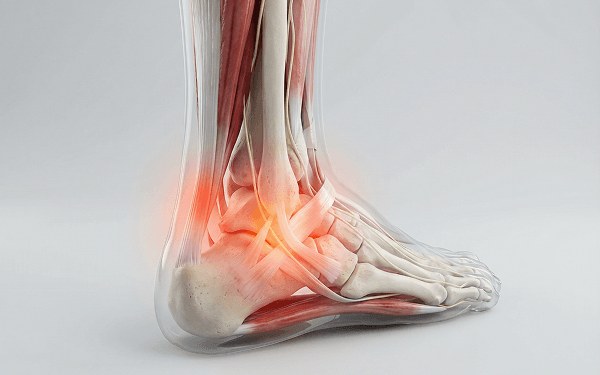
Ankle pain often develops due to sudden load, poor control, or incomplete recovery from past injuries.

Recovery isn't just pain relief, it's restoring strength, balance, and confidence in every step.

We assess movement, balance, load, and daily activity demands to identify the root cause of your ankle pain.


Play Information
2.00 Min
See how pain reduces and movement improves across each week.
A structured, science-backed recovery journey designed to help you move from pain and limitation to strength, balance, and pain-free living.


You don't have to live with pain.
Book a session and begin moving more comfortably again.
Book an appointment
Answers to common questions about your recovery
Ankle and foot pain is commonly caused by sprains, ligament strain, plantar fasciitis, prolonged standing, walking on uneven surfaces, weak foot muscles, or incomplete recovery from previous injuries. A physiotherapy assessment helps identify the exact cause.
An ankle sprain occurs when ligaments around the ankle are overstretched or torn due to twisting or sudden movement. Physiotherapy for ankle sprain reduces swelling, restores stability, improves balance, and prevents re-injury.
Foot pain during walking or standing may be linked to plantar fasciitis, muscle weakness, poor footwear support, or load imbalance. Strengthening foot muscles and correcting movement patterns can significantly reduce pain.
Yes. Physiotherapy helps reduce ankle swelling, improve joint mobility, and restore strength. Guided exercises and balance training improve ankle stability and speed up recovery.
Mild ankle sprains may improve within 2–3 weeks. Moderate to severe ligament injuries may require structured rehabilitation for several weeks. Early treatment improves healing and reduces the risk of chronic ankle instability.
Yes. Virtual physiotherapy works well for mild ankle sprains, plantar fasciitis, muscle weakness, and balance issues. Guided exercises and progress tracking help restore mobility safely from home.