



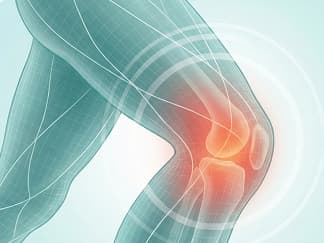
Knee
- Osteoarthritis
- ACL Injury
Sports injuries can interrupt training, competition, and daily performance, physically and mentally.
If multiple Symptoms feel familiar, assessment helps
Sports injuries usually involve overload, sudden force, or incomplete recovery.

Muscle Strain
Micro-tears from sudden or excessive load

Ligament Sprain
Overstretching affects joint stability

Tendon Irritation
Repetitive stress inflames connective tissue

Movement Imbalance
Poor mechanics increase injury risk
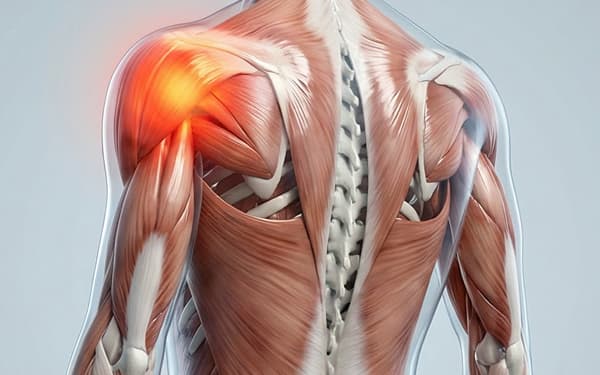
Injuries often occur when load exceeds what the body is prepared for.
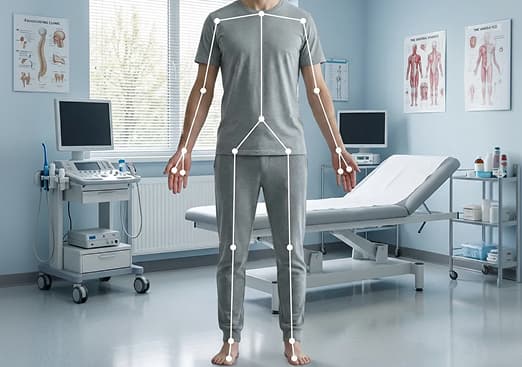
Recovery isn't just about resting. It's about training smarter so you return to sport ready, not just pain-free.

We assess movement patterns, strength, sport demands, and injury history.


Play Information
2.00 Min
Return to play decisions are based on strength, control, and confidence not just pain levels.
A structured, science-backed recovery journey designed to help you move from pain and limitation to strength, balance, and pain-free living.
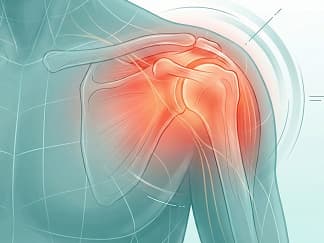
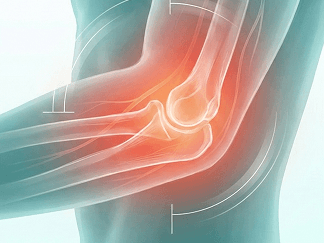
You don't have to live with pain.
Book a session and begin moving more comfortably again.
Book an appointment
Answers to common questions about your recovery
Sports injury rehabilitation is a structured physiotherapy program designed to help athletes and active individuals recover from muscle strains, ligament sprains, tendon injuries, and joint instability. It focuses on restoring strength, mobility, and performance safely.
Recovery time depends on the type and severity of the injury. Mild muscle strains may improve within a few weeks, while ligament injuries such as ACL tears may require a longer rehabilitation program. A structured rehab plan speeds up safe return to sport.
Yes. Sports physiotherapy strengthens weak areas, corrects movement mechanics, improves balance, and enhances load tolerance. Proper rehabilitation significantly reduces the risk of recurring injuries.
Return to sport depends on pain levels, strength, mobility, and stability. A physiotherapist evaluates readiness using functional tests to ensure safe return without increasing re-injury risk.
Sports physiotherapy treats muscle strains, ligament sprains, tendonitis, ACL injuries, meniscus tears, shoulder instability, ankle sprains, and overuse injuries from running, gym training, or competitive sports.
Yes, for mild to moderate sports injuries and strength rebuilding phases. Virtual physiotherapy includes guided exercise programs, movement correction, and structured return-to-sport planning.