



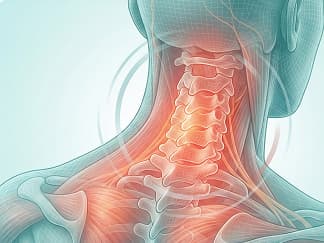
Neck
- Cervical Spondylosis
- Text Neck
Shoulder pain often starts subtly and gradually affects daily movement, strength, and confidence.
If multiple Symptoms feel familiar, assessment helps
Shoulder pain is rarely just about one muscle. It usually involves multiple structures working out of balance.

Muscle overload
Small stabilizing muscles become strained or irritated

Joint Stiffness
Reduced mobility in the shoulder capsule

Tendon Irritation
Overuse or poor movement patterns inflame tendons

Scapular Imbalance
Poor shoulder blade control affects shoulder mechanics
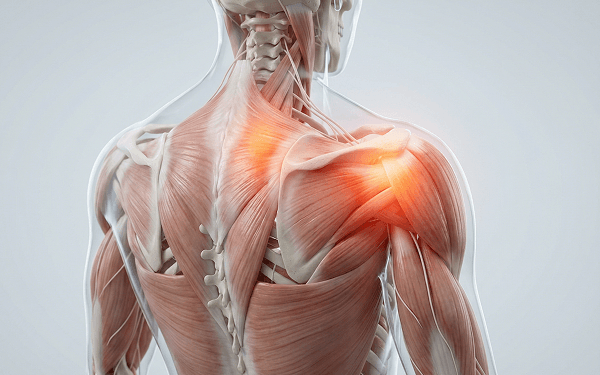
Shoulder pain is often caused by how you move or don't move every day.

Recovery isn't just pain relief, it's understanding, movement re-education, and long-term resilience.

We assess your movement, strength, posture, and daily habits to identify the real cause of pain.


Play Information
2.00 Min
See how pain reduces and movement improves over time.
A structured, science-backed recovery journey designed to help you move from pain and limitation to strength, balance, and pain-free living.

You don't have to live with pain.
Book a session and begin moving more comfortably again.
Book an appointment
Answers to common questions about your recovery
Shoulder pain is commonly caused by rotator cuff strain, frozen shoulder, tendon inflammation, poor posture, repetitive overhead activity, or prolonged desk work. A detailed physiotherapy assessment helps identify the exact cause and guide the right shoulder pain treatment.
Yes. Physiotherapy is one of the most effective treatments for rotator cuff injuries. It reduces inflammation, restores shoulder mobility, strengthens stabilizing muscles, and improves joint control to prevent re-injury.
Recovery time depends on the condition. Mild shoulder pain may improve in 2–4 weeks, while frozen shoulder or tendon injuries may require structured rehabilitation over several weeks. Early treatment speeds up recovery and prevents chronic shoulder problems.
Yes. Virtual physiotherapy works well for posture-related shoulder pain, muscle imbalance, and early-stage rotator cuff issues. Guided exercises, movement correction, and progress tracking ensure safe and measurable improvement.
You should consult a physiotherapist if you experience pain while lifting your arm, reaching overhead, sleeping on one side, or if pain spreads to the neck or upper arm. Persistent stiffness or weakness also requires professional evaluation.
Yes. Strengthening the rotator cuff, improving posture, correcting movement patterns, and enhancing scapular stability significantly reduce the risk of recurring shoulder pain.