



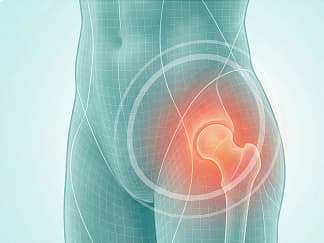
Hip
- Hip Arthritis
- Femoroacetabular Impingement (FAI)
Knee pain often affects walking, climbing stairs, sitting, and everyday movement.
If multiple Symptoms feel familiar, assessment helps
Knee pain is rarely caused by just one structure. It's rarely a knee load movement bias.

Muscle Imbalance
Weak or overworked muscles alter knee mechanics

Joint Sensitivity
The knee becomes sensitive to everyday stress

Reduced Shock Absorption
Hips and ankles fail to support knee load

Movement Compensation
Poor movement patterns increase knee strain
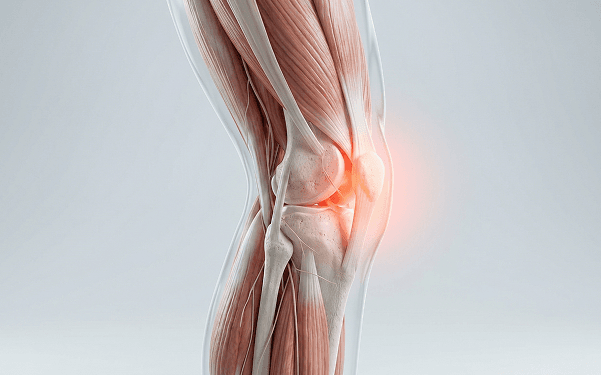
Knee pain commonly stems from the way we move, or don't move, or how we're loaded for.
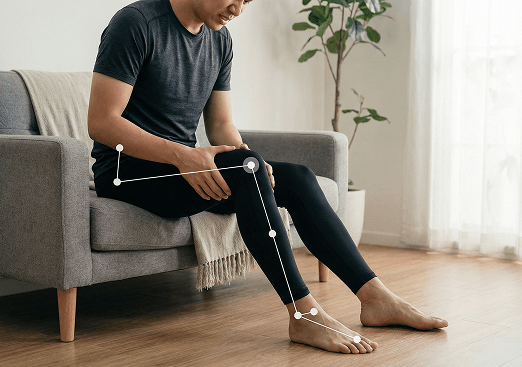
Recovery isn't instant. It unfolds through understanding, guided movement, and steady progress.

We assess movement, load capacity, daily habits and confidence to fully understand what is causing discomfort.


Play Information
2.00 Min
See how pain reduces and movement improves each week over consistent care.
A structured, science-backed recovery journey designed to help you move from pain and limitation to strength, balance, and pain-free living.
You don't have to live with pain.
Book a session and begin moving more comfortably again.
Book an appointment
Answers to common questions about your recovery
Knee pain is commonly caused by overuse, sudden increase in activity, weak hip or thigh muscles, poor movement mechanics, arthritis, or previous injuries such as ACL or meniscus tears. A physiotherapy assessment helps identify the exact cause and guide proper treatment.
Pain while walking or climbing stairs is often linked to muscle imbalance, joint irritation, cartilage stress, or patellofemoral pain syndrome. Strengthening and correcting movement patterns can significantly reduce knee strain.
Yes. Physiotherapy for knee pain improves joint mobility, strengthens surrounding muscles, reduces swelling, and restores proper alignment. Structured knee rehabilitation helps prevent recurring pain and improves long-term joint stability.
Mild knee pain may improve within 2–4 weeks with guided exercises. Conditions like ligament injuries, meniscus tears, or chronic knee pain may require a longer rehabilitation plan. Early treatment speeds up recovery and reduces complications.
Yes. Virtual physiotherapy works well for posture-related knee pain, early-stage arthritis, muscle weakness, and post-injury strengthening. Guided exercises and regular progress monitoring ensure safe and measurable improvement.
You should consult a physiotherapist if knee pain persists for more than a few days, causes swelling, limits walking or bending, feels unstable, or worsens with activity. Early intervention prevents chronic joint damage.