


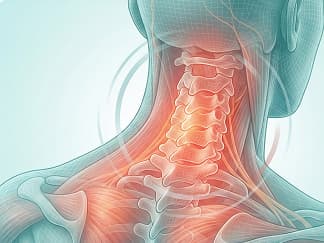
Neck
- Cervical Spondylosis
- Text Neck
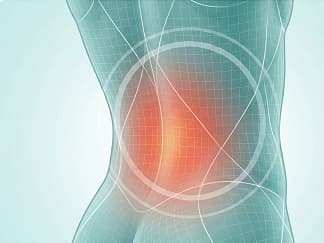
Back pain can start gradually and quietly affect your posture, movement, and daily comforts.
If multiple Symptoms feel familiar, assessment helps
Back pain is rarely caused by a single structure. It often involves muscles, joints, and movement habits working out of balance.

Muscle Guarding
Muscles tighten to protect sensitive areas

Joint Stiffness
Reduced spinal mobility increases strain

Load Sensitivity
The spine becomes reactive to daily stress

Movement Compensation
Poor posture and habits overload certain regions
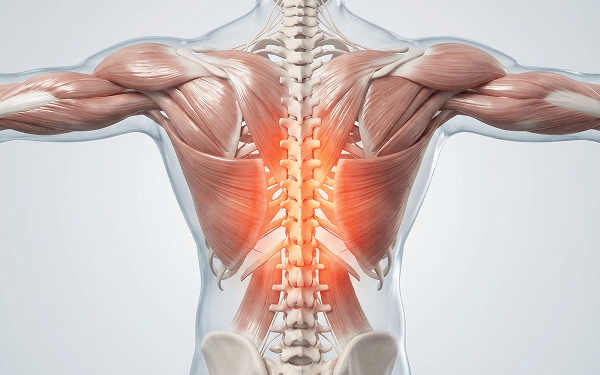
Back pain often develops from repetitive strain or prolonged positions over time.
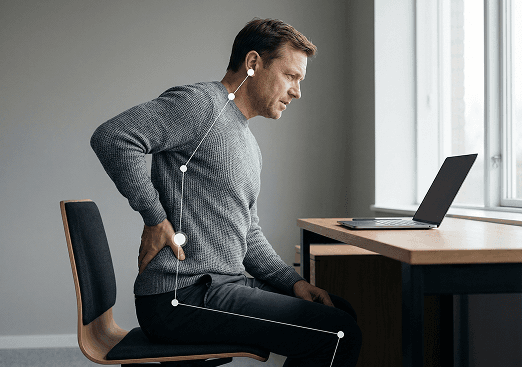
Recovery isn't just pain relief, it's restoring movement confidence and long-term spinal resilience.

We assess movement, posture, strength, and daily habits to truly identify what is causing your back pain.


Play Information
2.00 Min
Track how pain reduces and movement improves over time.
A structured, science-backed recovery journey designed to help you move from pain and limitation to strength, balance, and pain-free living.
You don't have to live with pain.
Book a session and begin moving more comfortably again.
Book an appointment
Answers to common questions about your recovery
Back pain is commonly caused by prolonged sitting, poor posture, muscle strain, weak core muscles, sudden lifting, or repetitive stress on the spine. It may affect the upper, middle, or lower back depending on movement patterns and daily habits.
Yes. Physiotherapy for back pain reduces muscle tension, improves spinal mobility, strengthens core and back muscles, and corrects posture. A structured back rehabilitation program helps relieve pain and prevent recurrence.
Back pain after sitting is often linked to poor posture, weak spinal support muscles, and prolonged static positioning. Ergonomic correction and targeted strengthening exercises significantly reduce sitting-related back pain.
Mild back pain may improve within 2–3 weeks with guided exercises and activity modification. Chronic back pain may require a longer rehabilitation plan depending on severity and underlying causes.
Yes. Virtual physiotherapy works well for posture-related back pain, muscle stiffness, and early-stage spinal issues. Guided exercises and progress tracking help manage back pain safely from home.
You should consult a physiotherapist if back pain persists for more than a few days, worsens with movement, spreads to other areas, or limits daily activities. Early treatment prevents chronic spine problems.