


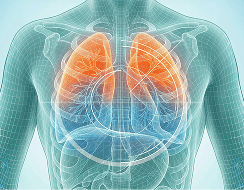
Respiratory & Pulmonary Care
- Chronic Obstructive Pulmonary Disease (COPD)
- Asthma
Heart and lung conditions can affect energy levels, breathing, and physical confidence.
If multiple Symptoms feel familiar, assessment helps
Cardiopulmonary conditions affect how efficiently oxygen moves through the body.

Reduced Oxygen Efficiency
Heart and lungs work harder to deliver oxygen

Lower Endurance Capacity
Muscles fatigue faster during activity

Deconditioning
Reduced activity leads to further weakness

Breathing Pattern Changes
Shallow or inefficient breathing increases effort
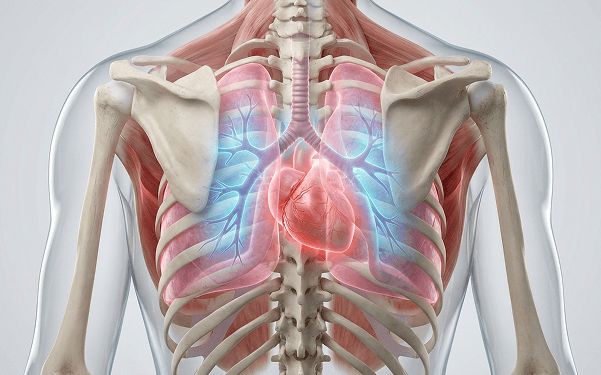
Without guided recovery, reduced activity can slow progress and impact overall health.
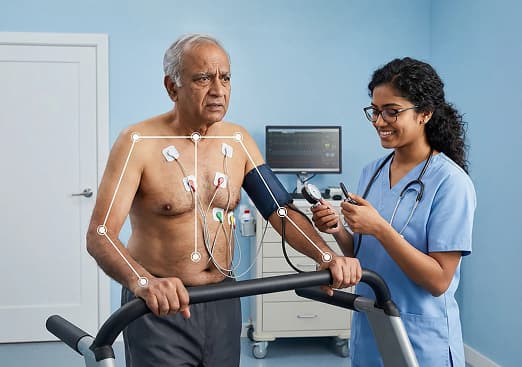
Recovery isn't just about exercises. It's about rebuilding stamina safely and systematically.

We assess breathing efficiency, endurance, heart response, and activity tolerance.


Play Information
2.00 Min
Encourage key results weekly, when activity led to Covid and resilience.
A structured, science-backed recovery journey designed to help you move from pain and limitation to strength, balance, and pain-free living.
You don't have to live with pain.
Book a session and begin moving more comfortably again.
Book an appointment
Answers to common questions about your recovery
Cardiopulmonary rehabilitation is a structured physiotherapy program designed to improve heart and lung function. It includes supervised breathing exercises, endurance training, and monitored physical activity to safely rebuild stamina and oxygen efficiency.
Cardiopulmonary rehab is recommended for individuals recovering from heart surgery, heart attack, chronic obstructive pulmonary disease (COPD), asthma, post-COVID complications, or reduced exercise tolerance.
Pulmonary rehabilitation improves breathing by strengthening respiratory muscles, improving oxygen delivery, correcting breathing patterns, and gradually increasing activity tolerance under supervision.
Yes. Cardiopulmonary rehabilitation is carefully monitored and customized according to each individual's heart and lung capacity. Exercises are progressed gradually to ensure safety and reduce complications.
The duration depends on the condition and recovery stage. Most programs run for several weeks with gradual progression in endurance, breathing capacity, and overall functional strength.
For stable patients, certain breathing exercises, light endurance training, and guided monitoring can be done through virtual physiotherapy sessions. However, severe or high-risk cases require in-person supervision.