


Knee
- Osteoarthritis
- ACL Injury
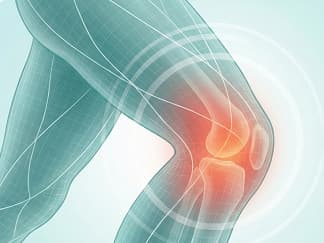
An ACL injury can make your knee feel unstable, making sports and everyday activities difficult.
If multiple Symptoms feel familiar, assessment helps
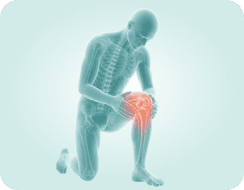
The anterior cruciate ligament (ACL) helps keep your knee stable. When it's injured, the knee can become painful, weak, and less stable during movement.

Ligament Injury
The ACL becomes stretched or torn.

Knee Instability
The knee feels loose during movement.

Pain & Swelling
Inflammation limits comfortable movement.

Reduced Function
Walking and sports become difficult.
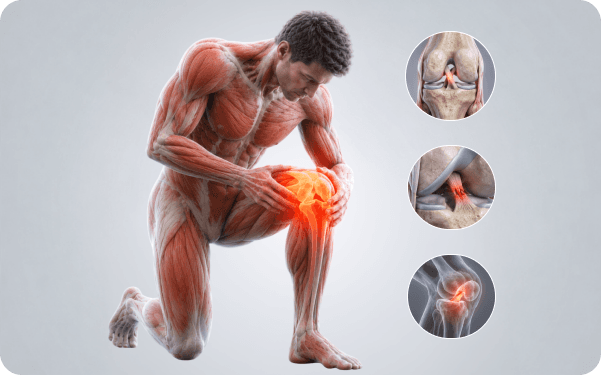
An injured ACL reduces knee stability, making movement and weight-bearing more challenging.
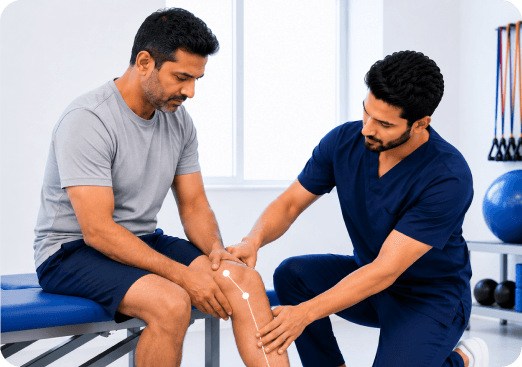
Every rehabilitation plan is tailored to your injury, recovery stage, and personal goals.

Evaluate knee stability, pain, swelling, movement, strength, and functional goals.


Play Information
2.00 Min
Consistent rehabilitation helps restore strength, stability, and safe movement.
A structured, science-backed recovery journey designed to help you move from pain and limitation to strength, balance, and pain-free living.
You don't have to live with pain.
Book a session and begin moving more comfortably again.
Book an appointment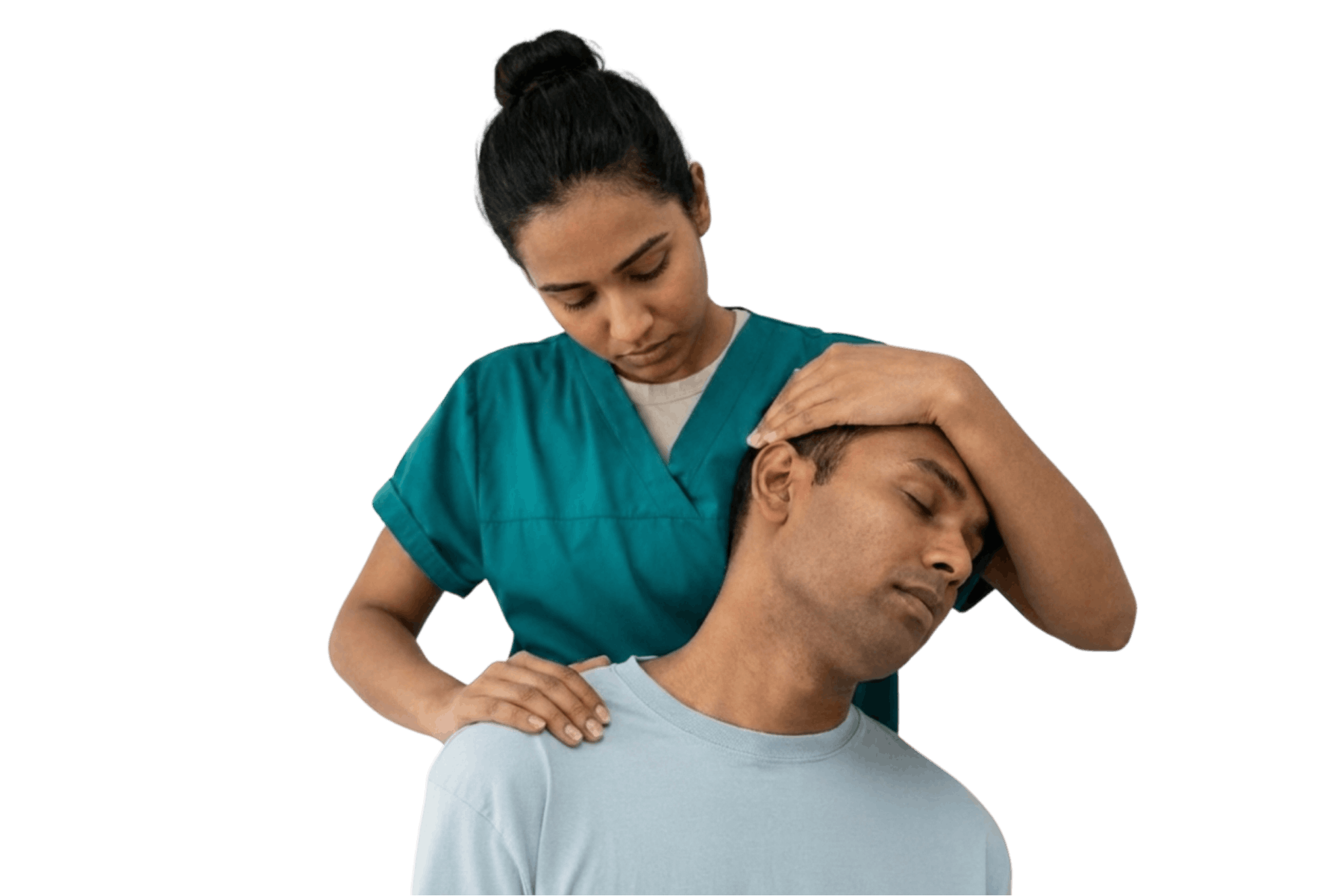
Answers to common questions about your recovery
Yes. Physiotherapy helps improve knee strength, stability, flexibility, balance, and functional movement before or after surgery. A structured program restores confidence in the knee and reduces the risk of re-injury.
No. Partial tears and many low-demand cases are managed well with structured rehabilitation alone. Surgery is usually considered for complete tears in people returning to pivoting sports or those with ongoing instability.
Most programs run 6–9 months after surgery, with early strength and mobility gains in the first 6–12 weeks. Non-surgical rehabilitation often takes 3–6 months depending on your goals and knee stability.
Return to sport usually happens between 9 and 12 months after surgery, once strength, hop, and movement-control tests are cleared. Rushing this stage is the biggest cause of re-injury.
Rehabilitation progresses from swelling control and range-of-motion work, to strengthening the quadriceps, hamstrings, and hips, then to balance, agility, and sport-specific movement training.
Yes. Virtual physiotherapy works well for guided exercise progression, load management, and regular movement tracking, helping you recover safely from home alongside periodic in-clinic assessments.