



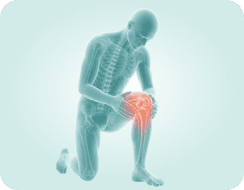
Knee Osteoarthritis
- Cartilage Wear
- Knee Stiffness
- Difficulty Walking
It's common to experience stiffness, swelling, or limited movement in the joints affected by arthritis.
Helping You Stay Active Every Day
Arthritis affects your joints, causing pain and sometimes reducing flexibility. Physiotherapy helps you move more comfortably while protecting your joints.

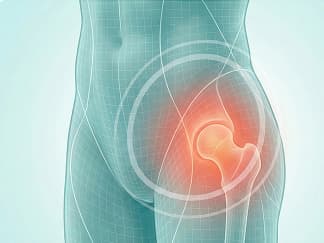
Joint Inflammation
Inflamed joints become painful and stiff.

Cartilage Wear
Joint cushioning gradually wears away.

Muscle Weakness
Reduced use decreases supporting muscle strength.

Limited Movement
Daily activities become more difficult.
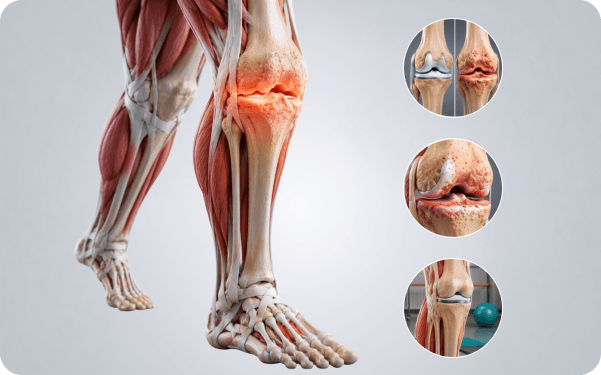
Pain, stiffness, and reduced joint flexibility can limit walking, bending, lifting, and other everyday activities.
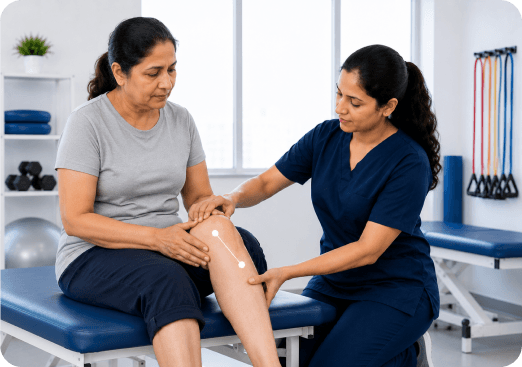
Your treatment plan is tailored to your symptoms, lifestyle, and goals, helping you move comfortably at your own pace.

We understand your pain, movement, strength, and everyday challenges.


Play Information
2.00 Min
Consistent physiotherapy helps reduce pain, improve flexibility, and restore confidence in movement.
A structured, science-backed recovery journey designed to help you move from pain and limitation to strength, balance, and pain-free living.
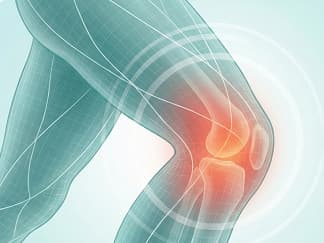
You don't have to live with pain.
Book a session and begin moving more comfortably again.
Book an appointment
Answers to common questions about your recovery
Yes. Physiotherapy helps reduce joint pain, improve mobility, strengthen the muscles that support the affected joints, and make everyday activities easier. It does not reverse joint changes, but it consistently improves comfort and function.
For most people, yes. Regular low-impact walking nourishes joint cartilage, keeps the surrounding muscles strong, and reduces stiffness. Start with shorter distances on level ground and build up gradually, guided by how your joints respond the next day.
Many people notice meaningful pain relief from guided exercise, manual therapy, joint protection techniques, and activity pacing. Physiotherapy often reduces how much pain medication is needed, but any change to prescribed medication should be discussed with your doctor.
Osteoarthritis is a wear-related condition where joint cartilage gradually thins, usually affecting knees, hips, hands, and the spine. Rheumatoid arthritis is an autoimmune condition where the immune system inflames the joint lining, often affecting joints on both sides of the body. Both benefit from physiotherapy, but the programmes are structured differently.
Most people start with one to two sessions a week for the first four to six weeks, alongside a short daily home programme. As symptoms settle and strength improves, sessions are spaced out and the focus shifts to maintaining joint health independently.
Yes. Arthritis care relies on assessment, guided exercise, joint protection advice, and regular progress reviews, all of which work well over a video session. Your physiotherapist watches how you move, corrects your technique live, and adjusts the plan each week. You can also see us in person at our Ahmedabad clinics if you prefer hands-on treatment.