



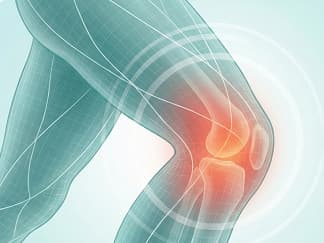
Knee
- Osteoarthritis
- ACL Injury
A meniscus tear can make everyday movements painful and leave your knee feeling unstable.
If multiple Symptoms feel familiar, assessment helps
The meniscus is a cushion inside your knee that absorbs shock. When it's torn, the knee can become painful, stiff, and less stable.

Cartilage Tear
The knee cushion becomes damaged.

Pain & Swelling
Inflammation makes movement painful.

Knee Instability
The knee feels less stable.

Limited Movement
Bending and walking become difficult.
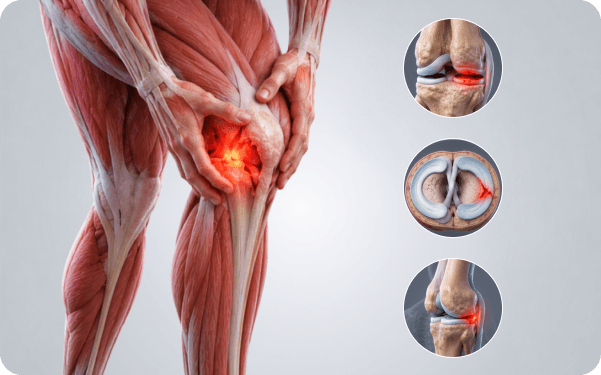
A torn meniscus affects how the knee moves, making everyday activities more difficult.

Your rehabilitation plan is tailored to your injury, recovery stage, and lifestyle goals.

Evaluate pain, swelling, knee movement, stability, strength, and walking pattern.


Play Information
2.00 Min
Consistent physiotherapy helps reduce pain, improve knee strength, and restore normal function.
A structured, science-backed recovery journey designed to help you move from pain and limitation to strength, balance, and pain-free living.

You don't have to live with pain.
Book a session and begin moving more comfortably again.
Book an appointment
Answers to common questions about your recovery
Yes. Physiotherapy helps reduce pain, improve knee mobility, strengthen the muscles supporting the knee, and restore normal function after a meniscus tear. Many degenerative and small tears recover well without surgery.
No. Many meniscus tears, especially degenerative and small tears, respond well to guided strengthening, mobility work, and load management. Surgery is generally considered only for large tears, a locked knee, or when sustained conservative care has not helped.
Meniscus tears commonly develop from twisting or pivoting on a planted foot, sports-related trauma, deep squatting, age-related cartilage wear, and underlying knee instability. A detailed assessment identifies what is driving your pain.
Early relief is often felt within 2–4 weeks. A complete rehabilitation programme usually runs 6–12 weeks depending on the type and size of the tear, your daily knee load, and how consistently exercises are followed.
Most people can walk with a meniscus tear, though it may feel painful, swollen, or unstable. Guided physiotherapy helps restore safe, comfortable walking while protecting the healing knee and rebuilding strength.
Range-of-motion work, quadriceps and hamstring strengthening, hip and glute stability exercises, and balance training suit most knees. Your physiotherapist selects and progresses these based on your pain and tolerance.