

Neurological
- Stroke / CVA (Cerebrovascular Accident)
- Parkinson's Disease
Living with Multiple Sclerosis can bring new challenges, but it doesn't have to stop you from staying active. Our personalized neuro rehabilitation helps improve movement, balance, strength, and confidence.
 4.8 Rating
 60,000+ sessions
 Certified Physiotherapists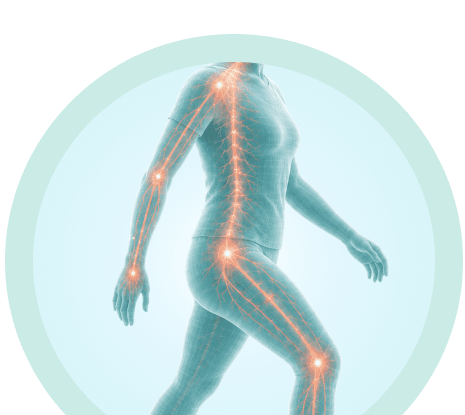
Multiple Sclerosis can affect the way you move, making everyday activities feel more tiring or challenging.
If multiple Symptoms feel familiar, assessment helps
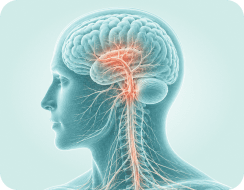
Multiple Sclerosis affects how signals travel between your brain and body. This can make movement, balance, and coordination more difficult over time.

Nerve Signal Changes
Nerve damage slows communication in the body.

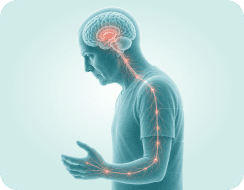
Movement Challenges
Reduced signals affect strength and movement.

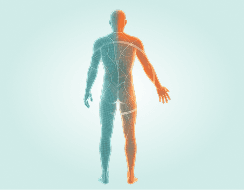
Balance & Coordination
Walking and movement become less stable.

Fatigue & Mobility Limits
Everyday movement requires more effort.
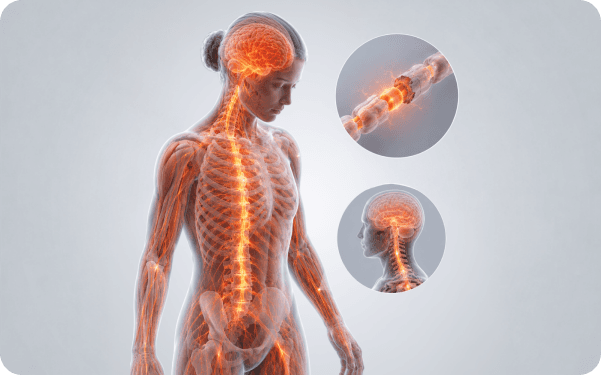
The way MS affects movement is different for everyone, but physiotherapy can help you stay active and independent.
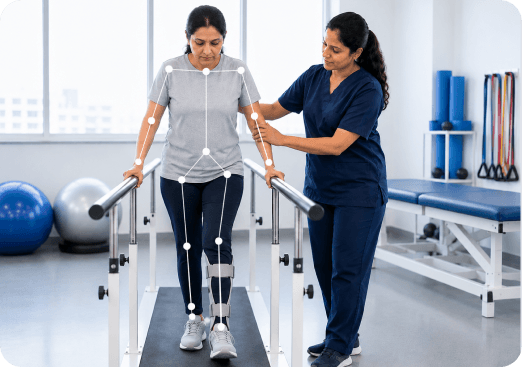
Your rehabilitation plan is tailored to your symptoms, lifestyle, and personal goals, helping you stay active and independent at every stage.

We understand your movement, balance, strength, and the challenges you experience every day.


Play Information
2.00 Min
Every recovery journey is different, but consistent rehabilitation helps maximize nerve recovery and physical function.
A structured, science-backed recovery journey designed to help you move from pain and limitation to strength, balance, and pain-free living.
You don't have to live with pain.
Book a session and begin moving more comfortably again.
Book an appointment
Answers to common questions about your recovery
Yes. Physiotherapy improves strength, balance, walking, flexibility, and functional independence while supporting symptom management. It cannot cure MS, but it plays a key role in helping you stay active and mobile.
The earlier the better. Starting physiotherapy soon after diagnosis helps maintain movement, build strength, and establish habits that protect mobility as the condition changes over time.
Yes. Balance training, gait re-education, and strengthening improve stability and reduce fall risk, which is one of the most important goals in MS rehabilitation.
Frequency depends on your symptoms and goals. After an initial assessment, your physiotherapist will recommend a personalized schedule and review your progress regularly.
Your program begins with a neuro assessment, followed by mobility, flexibility, strength, and balance training tailored to your symptoms and energy levels, with the goal of keeping you active and independent.