


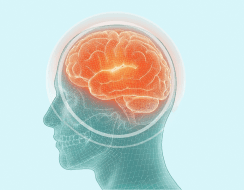
Neurological
- Stroke / CVA (Cerebrovascular Accident)
- Parkinson's Disease
Recovery after stroke or paralysis can affect movement, balance, coordination, and everyday independence.
If multiple Symptoms feel familiar, assessment helps
After a stroke or neurological injury, communication between your brain and muscles is affected.

Brain Signal Disruption
Messages from the brain cannot reach muscles efficiently.

Muscle Weakness
Reduced muscle activation affects movement and coordination.

Balance & Coordination Loss
Walking and balance become challenging.

Muscle Stiffness (Spasticity)
Increased muscle tightness limits smooth movement.
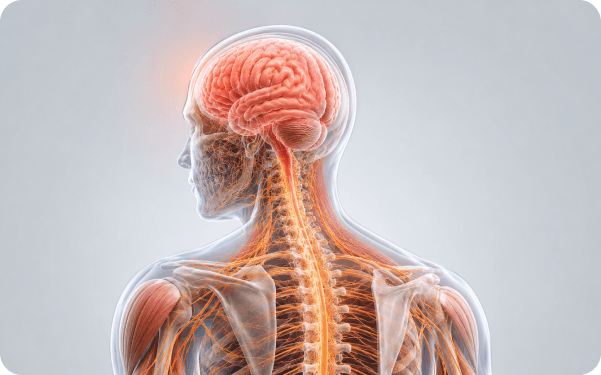
Recovery depends on how quickly damaged brain pathways can reorganize through rehabilitation.
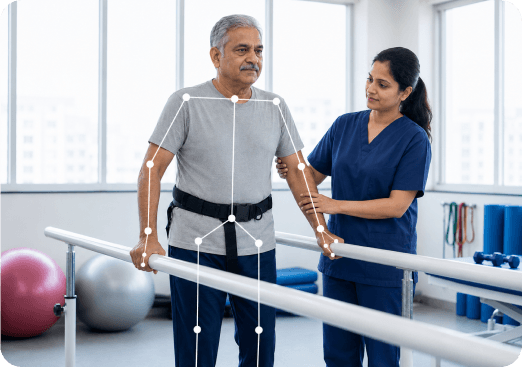
Recovery isn't instant. It's a step-by-step, function-based journey back to independence.

Evaluate muscle strength, balance, mobility, sensation, and functional ability.


Play Information
2.00 Min
Every recovery journey is unique, but consistent rehabilitation helps rebuild strength and function.
A structured, science-backed recovery journey designed to help you move from pain and limitation to strength, balance, and pain-free living.
You don't have to live with pain.
Book a session and begin moving more comfortably again.
Book an appointment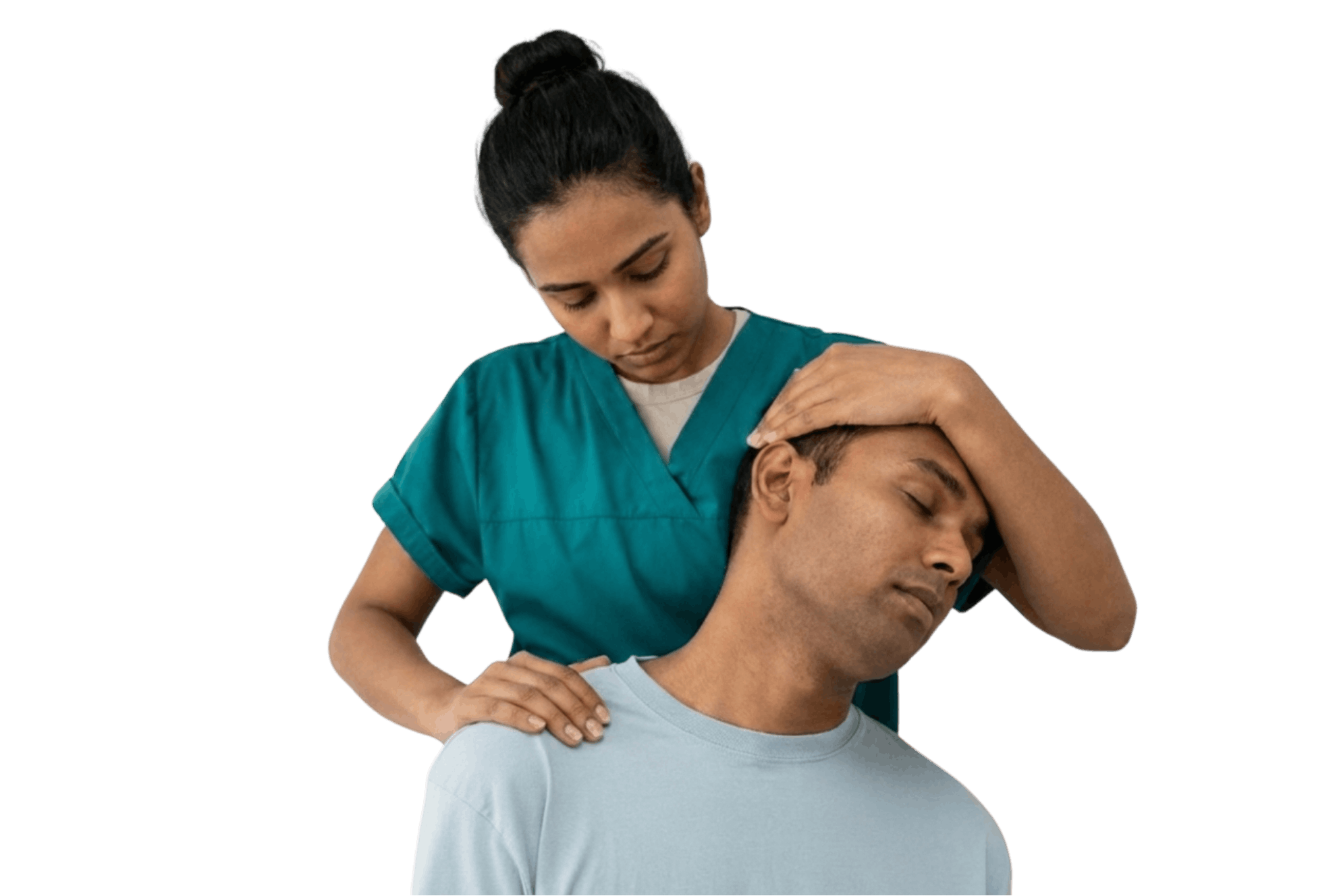
Answers to common questions about your recovery
Rehabilitation should begin as early as medically possible. Early physiotherapy often leads to better recovery outcomes.
Yes. While early rehabilitation is ideal, the nervous system can keep adapting for months or years. Structured therapy can still improve strength, mobility, and daily function long after a stroke.
Many patients regain walking ability through guided gait training, strengthening, and balance work. Progress depends on the severity of the stroke, but meaningful improvement is common with consistent rehabilitation.
The number of sessions varies with your condition and goals. After an initial assessment, your physiotherapist will recommend a personalized plan and review your progress regularly.
Yes. We offer home-visit neuro rehabilitation along with clinic and guided virtual sessions, so recovery can continue safely and conveniently at home.