



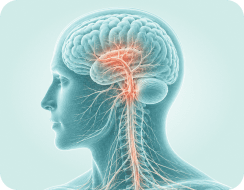
Stroke / Paralysis
- Stroke / CVA (Cerebrovascular Accident)
- Hemiplegia / Hemiparesis
Spinal cord injuries can affect movement, sensation, balance, and independence in everyday life.
If multiple Symptoms feel familiar, assessment helps
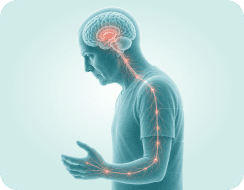
A spinal cord injury affects the messages between your brain and body, making movement, balance, and muscle control harder. Rehabilitation helps your body adapt and make the most of its recovery.

Spinal Cord Damage
Signals between the brain and body become interrupted.

Movement Challenges
Weakness or paralysis can limit daily activities.

Balance & Muscle Control
Standing, walking, and body control become challenging.

Move Forward with Confidence
Physiotherapy improves strength, mobility, and independence.
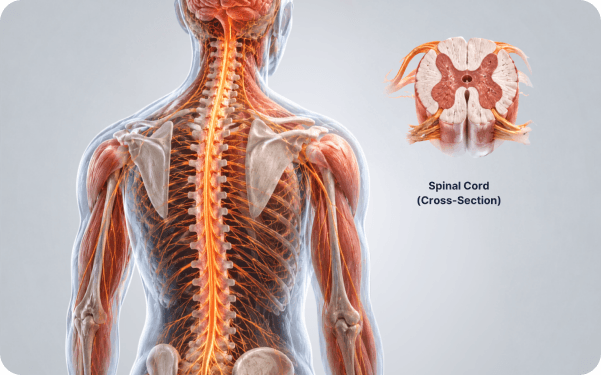
Recovery looks different for everyone, but rehabilitation focuses on helping you move more safely, confidently, and independently.
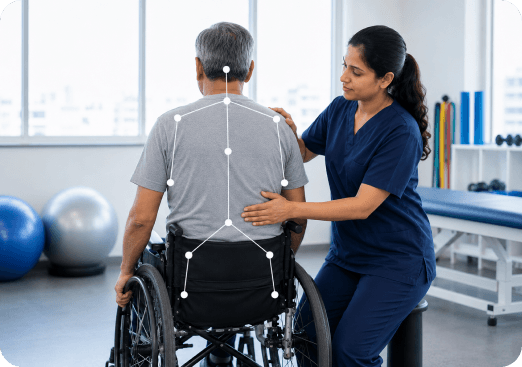
Recovery focuses on rebuilding movement, improving independence, and maximizing functional abilities.

We understand your strength, movement, balance, and the challenges you face every day.


Play Information
2.00 Min
Every recovery journey is unique, but consistent rehabilitation helps improve independence over time.
A structured, science-backed recovery journey designed to help you move from pain and limitation to strength, balance, and pain-free living.
You don't have to live with pain.
Book a session and begin moving more comfortably again.
Book an appointment
Answers to common questions about your recovery
Recovery depends on the level and severity of the injury, age, overall health, and how early rehabilitation begins. Physiotherapy helps maximize functional recovery and independence, even when full recovery isn't possible.
Yes. The nervous system can continue to adapt over time. Structured physiotherapy can still improve strength, mobility, balance, and daily function long after the injury.
It depends on the type and level of injury. Many people regain standing or walking ability through gait training, strengthening, and balance work, while others improve mobility using assistive support. Consistent rehabilitation gives the best outcomes.
Recovery is gradual and varies for each person. After an initial assessment, your physiotherapist will create a personalized plan and review your progress regularly.
Rehabilitation includes mobility and strength training, balance and coordination work, spasticity management, transfer and gait training, and functional independence practice for daily activities.