
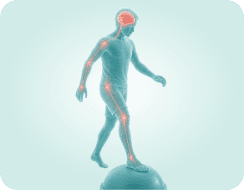
Balance & Gait
- Balance Disorders
- Gait (Walking) Disorders
If dizziness or vertigo is making everyday life feel uncertain, we're here to help. Our personalized vestibular rehabilitation helps reduce dizziness, improve balance, and restore your confidence in movement.
 4.8 Rating
 60,000+ sessions
 Certified Physiotherapists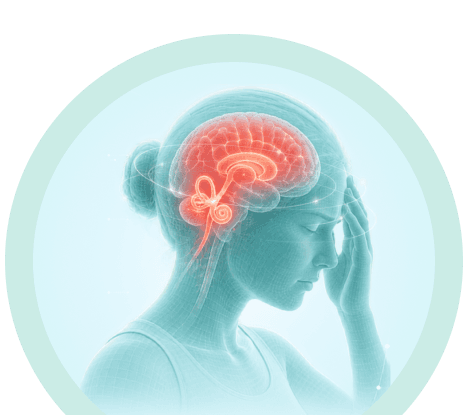
Feeling dizzy or unsteady can make even simple activities feel overwhelming. These are some common signs of a vestibular disorder.
If multiple Symptoms feel familiar, assessment helps
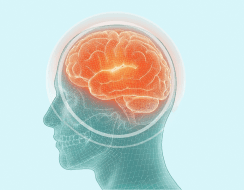
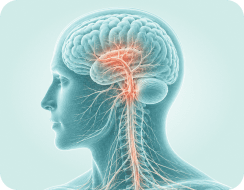
Your inner ear and brain work together to keep you balanced. When that system is affected, you may experience dizziness, vertigo, or difficulty staying steady.

Inner Ear Changes
Your balance system may send mixed signals to the brain.

Dizziness & Vertigo
You may feel like the room is spinning or moving around you.

Balance Difficulties
Standing, walking, or turning quickly can become challenging.

Functional Limitations
Daily activities become challenging.
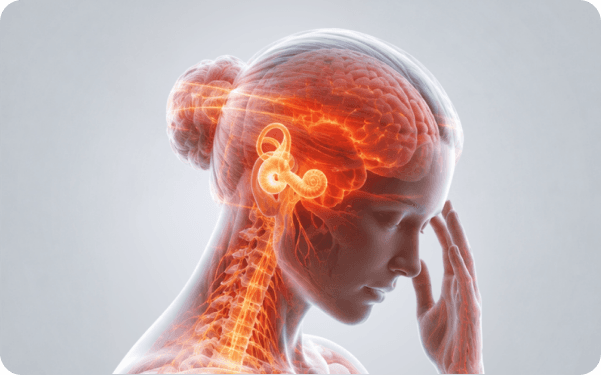
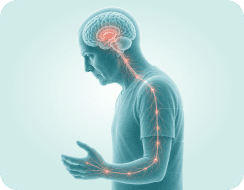
When the body's balance system isn't working properly, even everyday movements can make you feel unsteady.
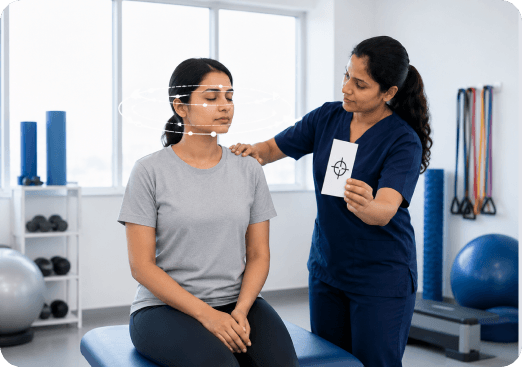
Your rehabilitation plan is tailored to your symptoms, lifestyle, and goals, helping you regain balance safely and confidently.

We understand your dizziness, balance, walking, and how your symptoms affect everyday life.


Play Information
2.00 Min
Every recovery journey is different, but consistent rehabilitation helps maximize recovery and physical function.
A structured, science-backed recovery journey designed to help you move from pain and limitation to strength, balance, and pain-free living.
You don't have to live with pain.
Book a session and begin moving more comfortably again.
Book an appointment
Answers to common questions about your recovery
Vestibular Rehabilitation is a specialized physiotherapy program that helps reduce dizziness, improve balance, and restore normal movement. It uses targeted exercises to retrain the brain and inner-ear balance system so you feel steadier in daily life.
Yes. Physiotherapy is one of the most effective treatments for many types of vertigo. Through repositioning techniques, gaze-stability exercises, and balance retraining, most people notice a meaningful reduction in dizziness and unsteadiness.
Yes. Vestibular rehabilitation gradually helps your brain adapt to and compensate for faulty balance signals, which reduces dizziness, spinning sensations, and the feeling of being unsteady over time.
Recovery varies from person to person. Many people notice improvements within a few weeks, while more complex cases may need longer, progressive rehabilitation. Your physiotherapist will tailor the plan to your symptoms and goals.
Vertigo and balance problems often come from inner-ear disorders, vestibular dysfunction, neurological conditions, or age-related changes. A proper assessment helps identify the cause so treatment can be targeted and effective.