



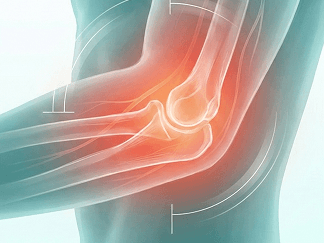
Elbow
- Tennis Elbow (Lateral Epicondylitis)
- Golfer's Elbow (Medial Epicondylitis)
Wrist pain often disrupts posture and can interfere with work, device use, and everyday tasks.
If multiple Symptoms feel familiar, assessment helps
Wrist pain rarely comes from one structure alone. It usually involves tendons, muscles, and load tolerance.

Muscle Fatigue
Repetitive tasks overload the forearm and wrist muscles

Joint Stiffness
Reduced joint mobility limits movement and causes discomfort

Tendon Irritation
Repetitive strain inflames wrist tendons

Movement Compensation
Forearm and hand movements overload the wrist
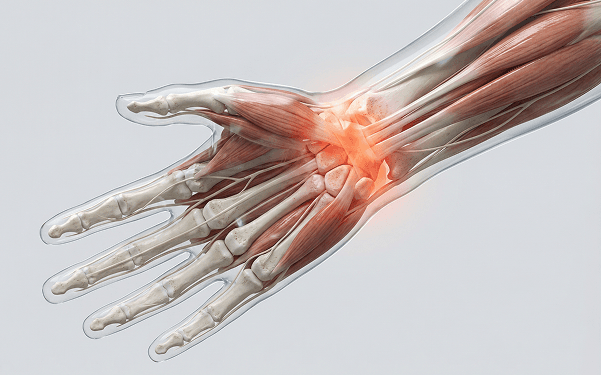
Wrist pain is often a result of how frequently and how long the arm is used without recovery.

Recovery isn't just pain relief, it's restoring strength, control, and long-term wrist resilience.

We assess movement patterns, strength, and daily tasks to find what is causing your pain and limiting your recovery.


Play Information
2.00 Min
See how pain reduces and movement improves each week.
A structured, science-backed recovery journey designed to help you move from pain and limitation to strength, balance, and pain-free living.
You don't have to live with pain.
Book a session and begin moving more comfortably again.
Book an appointment
Answers to common questions about your recovery
Wrist and hand pain is commonly caused by prolonged typing, phone use, repetitive gripping, poor wrist posture, tendon irritation, or nerve compression such as carpal tunnel syndrome. A physiotherapy assessment helps identify the exact source of pain.
Carpal tunnel syndrome occurs when the median nerve is compressed at the wrist, causing pain, numbness, or tingling in the hand. Physiotherapy for carpal tunnel focuses on nerve mobility exercises, wrist stabilization, posture correction, and load management.
Yes. Physiotherapy for wrist pain reduces tendon irritation, improves joint mobility, strengthens supporting muscles, and restores hand control. Structured wrist rehabilitation helps prevent recurring strain injuries.
Wrist pain during typing or phone use is often caused by repetitive strain, poor ergonomic setup, or prolonged static positioning. Correcting posture and strengthening wrist and forearm muscles significantly reduces stress on the joint.
Mild wrist pain may improve within 2–3 weeks with proper exercises and activity modification. Chronic conditions like tendonitis or carpal tunnel syndrome may require a longer rehabilitation plan.
You should consult a physiotherapist if pain persists for more than a few days, causes numbness or tingling, weakens grip strength, or interferes with daily tasks. Early treatment prevents long-term nerve or tendon damage.