



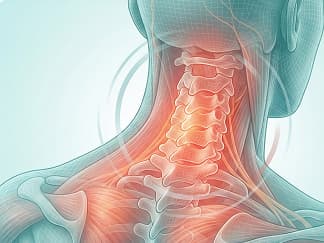
Neck
- Cervical Spondylosis
- Text Neck
Carpal tunnel syndrome can affect your grip, hand movement, and everyday comfort.
Helping You Use Your Hands Comfortably Again
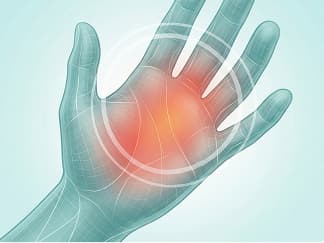
Carpal tunnel syndrome happens when the median nerve is compressed as it passes through the wrist, causing pain, numbness, and weakness.

Median Nerve Compression
Pressure builds around the wrist nerve.

Numbness & Tingling
Reduced nerve signals affect sensation.

Weak Grip
Hand strength gradually decreases.

Limited Hand Function
Daily tasks become difficult.
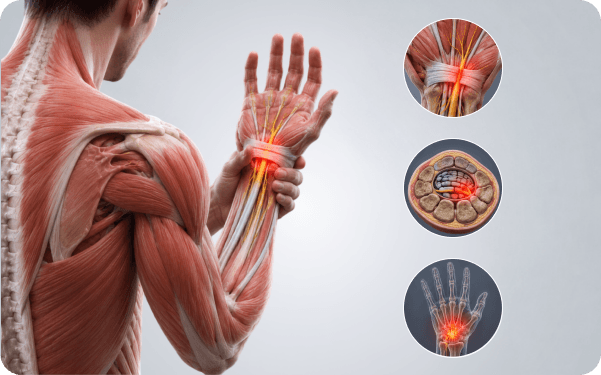
Repeated strain or pressure on the wrist can irritate the median nerve over time.

Your treatment plan is tailored to reduce pain, improve hand function, and help you return to daily activities comfortably.

Evaluate symptoms, wrist movement, grip strength, nerve function, and daily activities.


Play Information
2.00 Min
Consistent physiotherapy helps reduce pain, improve hand strength, and restore normal function.
A structured, science-backed recovery journey designed to help you move from pain and limitation to strength, balance, and pain-free living.
You don't have to live with pain.
Book a session and begin moving more comfortably again.
Book an appointment
Answers to common questions about your recovery
Yes. Physiotherapy can reduce nerve irritation, improve wrist mobility, strengthen the hand and forearm, and relieve numbness, tingling and pain. Most mild-to-moderate cases improve well without surgery.
Carpal tunnel syndrome develops when the median nerve is compressed at the wrist. Repetitive hand use, prolonged typing, poor wrist posture, tendon swelling and fluid retention are common contributing factors.
Often, yes. Nerve gliding exercises, wrist splinting, activity modification and targeted strengthening relieve symptoms in most mild-to-moderate cases. Surgery is usually considered only for severe or long-standing nerve compression.
Early relief is often felt within 2–4 weeks. A full programme typically runs 6–10 weeks depending on how compressed the nerve is, your daily hand load, and how consistently you follow the exercises.
Median nerve gliding, wrist and tendon stretches, and gentle grip and forearm strengthening suit most hands. Your physiotherapist selects and progresses these based on your symptoms and tolerance.
Yes. Virtual physiotherapy works well for most cases through guided nerve and stretching exercises, ergonomic and workstation advice, and regular symptom tracking, helping you recover safely from home.