



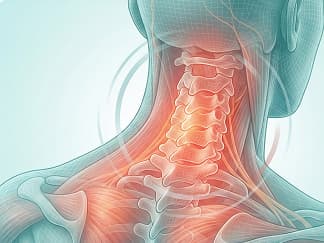
Neck
- Cervical Spondylosis
- Text Neck
If reaching overhead, getting dressed, or even sleeping has become painful, Frozen Shoulder could be the reason.
If multiple Symptoms feel familiar, assessment helps
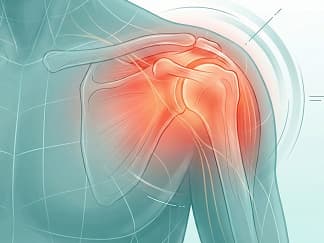
Frozen Shoulder, also known as Adhesive Capsulitis, causes the tissues around your shoulder joint to tighten, making movement painful and restricted.

Shoulder Tightness
Tight tissues reduce flexibility

Stiff Movement
Reaching and lifting become difficult

Pain Every Day
Daily activities and sleep become uncomfortable

Functional Limitations
Reaching and lifting become difficult

As the shoulder becomes stiffer, everyday movements can feel more difficult without the right treatment.

Your recovery plan is tailored to your pain, movement, and daily goals, helping you regain shoulder function step by step.

Evaluate pain, stiffness, movement, strength, and daily activity limitations.


Play Information
2.00 Min
Consistent physiotherapy helps gradually improve shoulder movement, flexibility, and everyday function.
A structured, science-backed recovery journey designed to help you move from pain and limitation to strength, balance, and pain-free living.

You don't have to live with pain.
Book a session and begin moving more comfortably again.
Book an appointment
Answers to common questions about your recovery
Yes. Physiotherapy can help improve shoulder mobility, flexibility, strength, and everyday function.
Frozen shoulder happens when the capsule surrounding the shoulder joint thickens and tightens, restricting movement. It can develop after injury, surgery, prolonged immobility, or gradually without a clear cause, and is more common with conditions like diabetes and thyroid disorders.
In most cases, yes. The large majority of frozen shoulders recover with structured physiotherapy and time, without needing surgery. A personalized rehabilitation plan speeds up recovery and helps you regain comfortable, functional shoulder movement.
Recovery depends on the stage and severity. Many people notice improvement within a few weeks of consistent physiotherapy, while full recovery of a frozen shoulder can take several months. Early, guided treatment shortens the timeline and prevents long-term stiffness.
Gentle pendulum swings, assisted stretches, wall walks, and controlled range-of-motion exercises are commonly used. A physiotherapist tailors these to your stage so you improve mobility safely without aggravating the joint.