

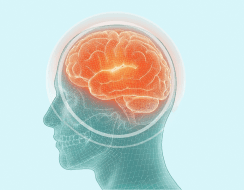
Neurological
- Stroke / CVA (Cerebrovascular Accident)
- Parkinson's Disease
Numbness, tingling, or burning sensations can make everyday movement difficult. Our personalized physiotherapy helps improve balance, strength, and mobility so you can move with greater confidence.
 4.8 Rating
 60,000+ sessions
 Certified Physiotherapists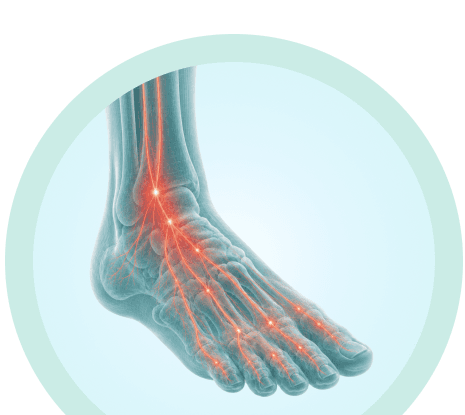
If your hands or feet often feel numb, weak, or unsteady, peripheral neuropathy may be affecting your daily life.
If multiple Symptoms feel familiar, assessment helps
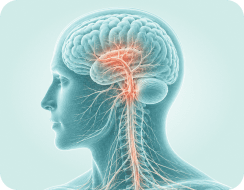
Peripheral neuropathy affects the nerves that carry signals between your brain, spinal cord, and the rest of your body. When these nerves are damaged, movement and sensation can become less reliable.

Nerve Damage
Damaged nerves disrupt clear signals.

Sensory Changes
Numbness and tingling affect sensation.

Muscle Weakness
Reduced nerve signals weaken muscles.

Balance Problems
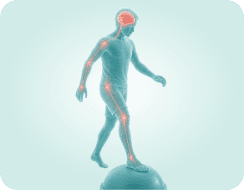
Reduced sensation affects walking stability.
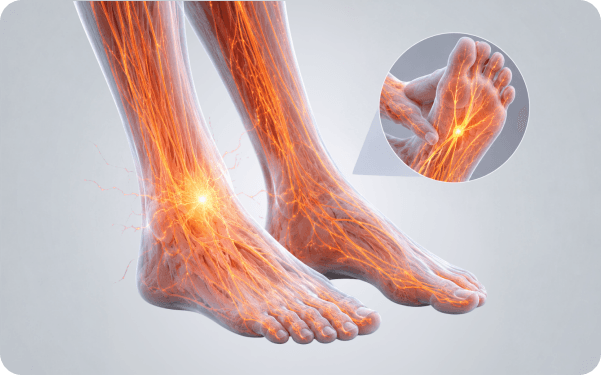
When nerves don't communicate properly, everyday movements can become more difficult and less predictable.

Your rehabilitation plan is designed around your symptoms, lifestyle, and personal goals to help you move safely and confidently.

We understand your strength, balance, walking pattern, and the challenges you face every day.


Play Information
2.00 Min
Consistent physiotherapy helps improve strength, balance, movement, and confidence over time.
A structured, science-backed recovery journey designed to help you move from pain and limitation to strength, balance, and pain-free living.
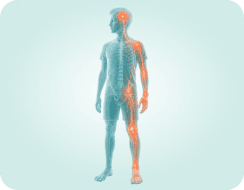
You don't have to live with pain.
Book a session and begin moving more comfortably again.
Book an appointment
Answers to common questions about your recovery
Yes. Physiotherapy can help improve strength, balance, mobility, coordination, and functional independence in people living with peripheral neuropathy. A tailored program also helps manage numbness, reduce fall risk, and keep you active and confident in daily life.
Peripheral neuropathy is caused by damage to the peripheral nerves. Common causes include diabetes, nerve compression or injury, chemotherapy, infections, and vitamin deficiencies. This nerve damage disrupts the signals between the brain and the rest of the body.
Yes. Targeted sensory retraining, strengthening, and balance training help improve stability and body awareness. While numbness may not fully disappear, physiotherapy helps you move more safely and reduces the impact of reduced sensation on daily activities.
Recovery varies from person to person and depends on the cause and severity of the neuropathy. Many people notice improvements in strength and balance within a few weeks, while longer-term programs help maintain progress and prevent complications.
Balance training, gait practice, gentle strengthening, stretching, and sensory retraining exercises are commonly used. Your physiotherapist designs a personalized program based on your symptoms, safety, and daily goals.