


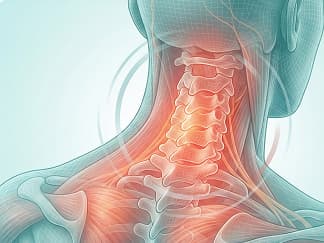
Neck
- Cervical Spondylosis
- Text Neck
It's common to experience stiffness, weakness, or limited movement after a fracture or cast removal.
Helping You Return to Everyday Movement
As your bone heals, the surrounding muscles and joints may become stiff and weaker from reduced movement. Rehabilitation helps restore strength and mobility.

Bone Healing
The fractured bone gradually repairs.

Joint Stiffness
Reduced movement limits flexibility.

Muscle Weakness
Immobilisation decreases muscle strength.

Functional Limitations
Daily activities become challenging.
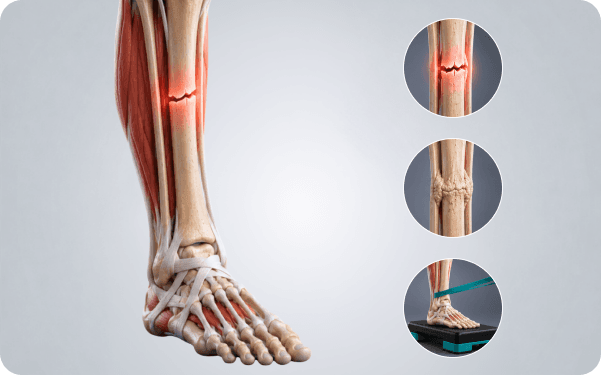
Recovering from a fracture isn't just about bone healing, it's about moving comfortably and confidently again.
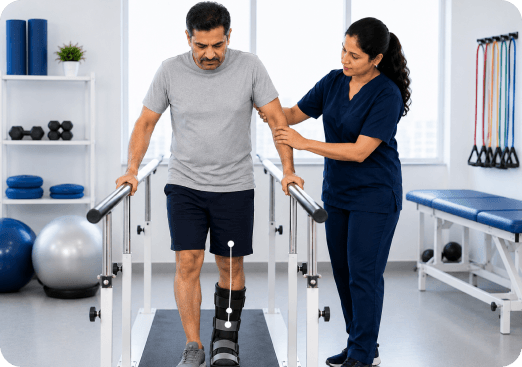
Your rehabilitation plan is designed around your fracture, recovery stage, and everyday goals.

Evaluate bone healing, joint movement, muscle strength, balance, and functional abilities.


Play Information
2.00 Min
Consistent rehabilitation helps improve mobility, rebuild strength, and restore independence after a fracture.
A structured, science-backed recovery journey designed to help you move from pain and limitation to strength, balance, and pain-free living.
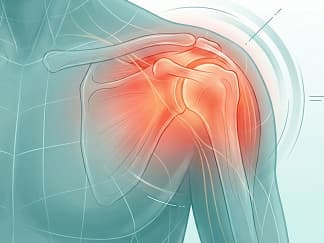
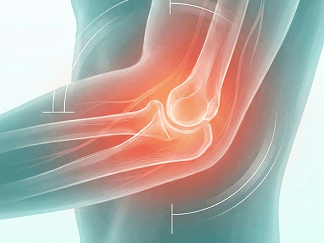
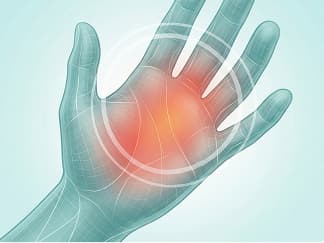
You don't have to live with pain.
Book a session and begin moving more comfortably again.
Book an appointment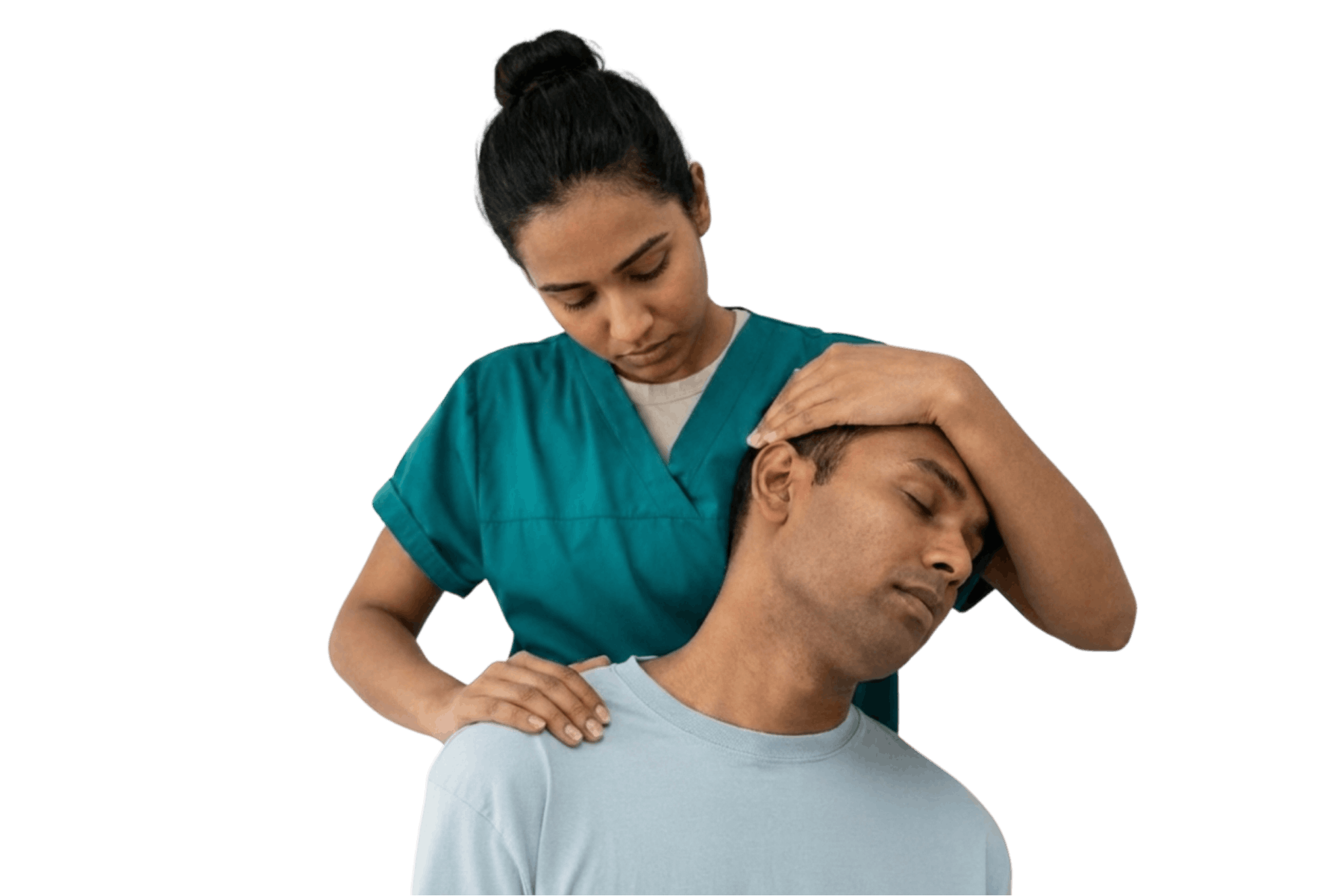
Answers to common questions about your recovery
Rehabilitation usually begins once your orthopaedic specialist confirms it is safe, depending on the type of fracture and healing stage. In many cases gentle guided movement can start even while the limb is still protected, which helps limit stiffness and muscle loss.
Yes. After a cast is removed the joint is often stiff and the surrounding muscles are weak. Guided mobility work, progressive strengthening, and balance training help restore normal movement and rebuild confidence in the limb.
Early improvements in movement and comfort are often felt within 2–6 weeks. A complete programme typically runs 6–12 weeks, depending on the bone involved, your healing progress, age, and how consistently exercises are followed.
Bone healing and functional recovery are not the same thing. Weeks of immobilisation tighten the joint capsule and weaken surrounding muscles, so stiffness commonly remains after the bone has united. Structured rehabilitation addresses this directly.
Range-of-motion work, gradual loading and strengthening of the surrounding muscles, balance and gait training, and task-specific practice suit most people. Your physiotherapist selects and progresses these based on your healing stage and pain tolerance.