


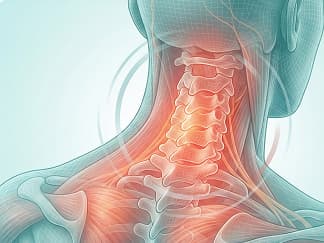
Neck
- Cervical Spondylosis
- Text Neck
A rotator cuff injury can make simple shoulder movements painful and limit your daily routine.
If multiple Symptoms feel familiar, assessment helps
The rotator cuff is a group of muscles and tendons that keeps your shoulder stable. When injured, everyday movements can become painful and difficult.

Tendon Injury
Shoulder tendons become strained or torn.

Shoulder Weakness
The shoulder loses strength and support.

Painful Movement
Lifting the arm causes discomfort.

Limited Function
Daily activities become difficult.
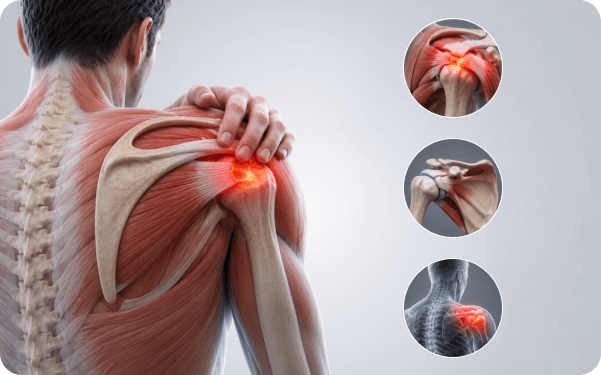
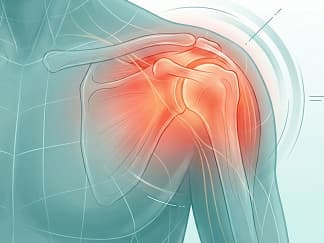
Shoulder pain develops when the rotator cuff muscles or tendons are overloaded or injured.

Your treatment plan is tailored to reduce pain, restore movement, and help you return to everyday activities safely.

We assess pain, strength, shoulder movement, and functional limitations.


Play Information
2.00 Min
Consistent physiotherapy helps improve shoulder strength, mobility, and everyday function.
A structured, science-backed recovery journey designed to help you move from pain and limitation to strength, balance, and pain-free living.
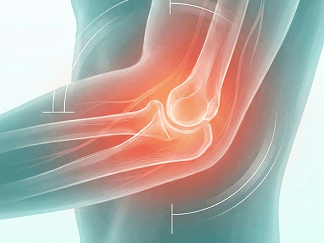
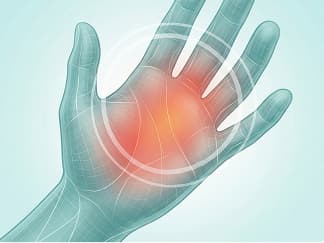
You don't have to live with pain.
Book a session and begin moving more comfortably again.
Book an appointment
Answers to common questions about your recovery
Yes. Physiotherapy helps reduce pain, improve shoulder mobility, strengthen the rotator cuff and scapular muscles, and restore normal shoulder function. Most rotator cuff strains and partial tears recover well without surgery.
Rotator cuff injuries develop from repeated overhead activity, sudden strain while lifting, weak or imbalanced shoulder muscles, poor posture, and age-related tendon wear. A detailed assessment identifies which of these is driving your pain.
Often, yes. Partial tears and tendinopathy usually respond well to guided strengthening, mobility work, and load management. Surgery is generally considered only for large full-thickness tears or when sustained conservative care has not helped.
Early relief is often felt within 2–4 weeks. A complete rehabilitation programme usually runs 8–12 weeks depending on the severity of the tendon injury, your daily shoulder load, and how consistently exercises are followed.
Pendulum and range-of-motion work, isometric holds, internal and external rotation strengthening, and scapular stability exercises suit most shoulders. Your physiotherapist selects and progresses these based on your pain and tolerance.
Yes. Virtual physiotherapy works well for most rotator cuff cases through guided exercise progression, posture and activity advice, and regular symptom tracking, helping you recover safely from home.