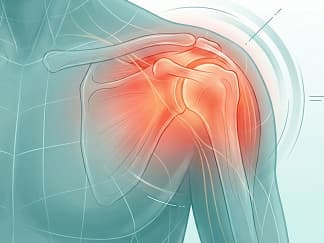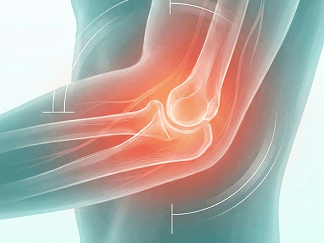
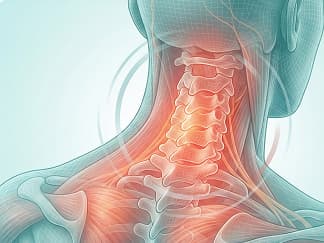
Neck
- Cervical Spondylosis
- Text Neck
A slip disc(Herniated Disc) can make even simple movements painful. Our personalized physiotherapy helps relieve pain, improve mobility, and support your recovery so you can get back to living comfortably.
 4.8 Rating
 60,000+ sessions
 Certified Physiotherapists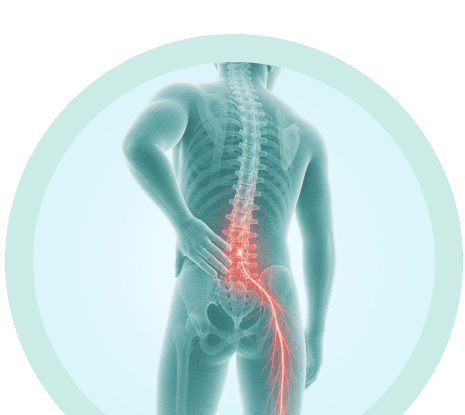
If pain is travelling from your lower back into your leg, a slipped disc could be the reason.
If multiple Symptoms feel familiar, assessment helps
A slip disc, also known as a herniated disc, happens when one of the discs in your spine presses on a nearby nerve, causing pain and limiting movement.

Disc Bulging
The spinal disc presses outward.

Nerve Compression
Pressure irritates nearby nerves.

Radiating Pain
Pain spreads to the arm or leg.

Reduced Mobility
Everyday movement becomes difficult.
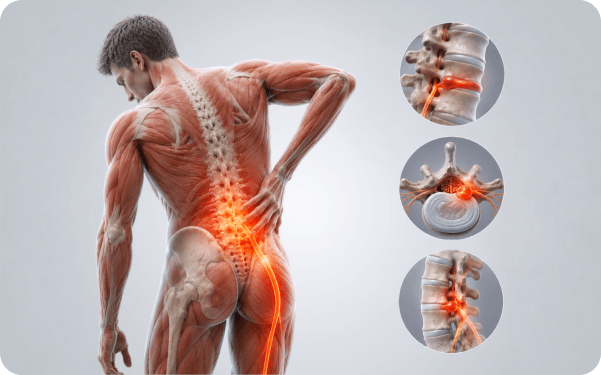
When a spinal disc presses on a nerve, it can affect how comfortably you move throughout your day.
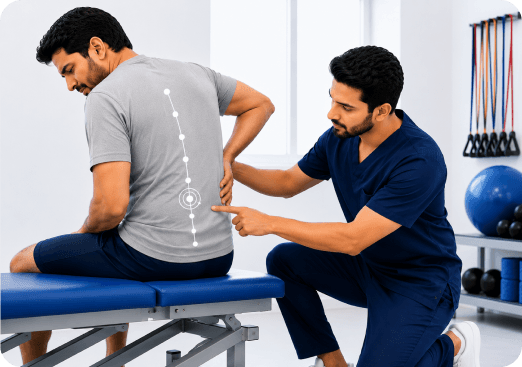
Your treatment plan is designed around your symptoms, lifestyle, and recovery goals to help you move with greater comfort and confidence.

We understand your pain, movement, posture, and how it affects your daily routine.


Play Information
2.00 Min
Consistent physiotherapy helps gradually improve movement, flexibility, and everyday function.
A structured, science-backed recovery journey designed to help you move from pain and limitation to strength, balance, and pain-free living.
You don't have to live with pain.
Book a session and begin moving more comfortably again.
Book an appointment
Answers to common questions about your recovery
Yes. Physiotherapy can help reduce pain, improve mobility, strengthen supporting muscles, and promote recovery without surgery in many cases. Treatment focuses on relieving pressure on the affected nerve and restoring safe spinal movement.
Most slipped discs settle with conservative care. Guided physiotherapy, activity modification, and progressive core strengthening help the disc heal and symptoms resolve without the need for surgery.
Early pain relief is often felt within 2–4 weeks. A complete rehabilitation programme usually runs 6–12 weeks depending on the size of the disc injury, nerve involvement, and how consistently exercises are followed.
Gentle spinal extension work, nerve mobility exercises, deep core activation, and controlled hip and glute strengthening help most herniated discs. Your physiotherapist selects and progresses these safely based on your symptoms.
Yes. Virtual physiotherapy works well for many disc conditions through guided exercise progression, posture correction, and regular symptom tracking, helping you recover safely from home.
See a physiotherapist if back pain radiates into your leg, you notice numbness, tingling or weakness, or pain persists beyond a few days. Early assessment prevents nerve symptoms from becoming long-standing.