

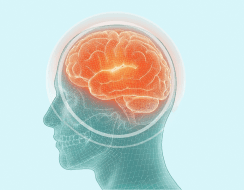
Neurological
- Stroke / CVA (Cerebrovascular Accident)
- Parkinson's Disease
Recovering from a traumatic brain injury (TBI) takes time and the right support. Our personalized neuro rehabilitation helps improve movement, balance, coordination, and confidence one step at a time.
 4.8 Rating
 60,000+ sessions
 Certified Physiotherapists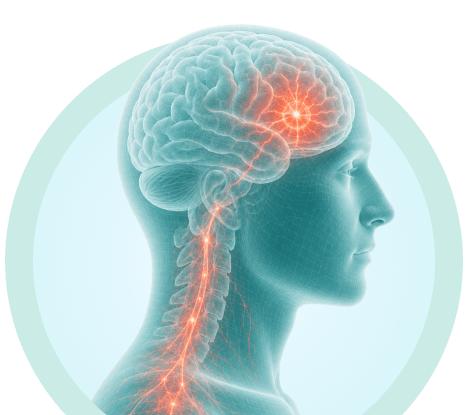
A traumatic brain injury can make everyday movements and activities more challenging, but the right rehabilitation can help you move forward.
If multiple Symptoms feel familiar, assessment helps
A traumatic brain injury can affect how your brain communicates with your body, making movement, balance, and coordination more difficult.

Brain Signal Disruption
Brain injury affects movement signals.

Muscle Control Changes
Strength and movement become harder to control.

Balance & Coordination Loss
Walking and movement become less stable.

Functional Challenges
Daily activities may require more effort.
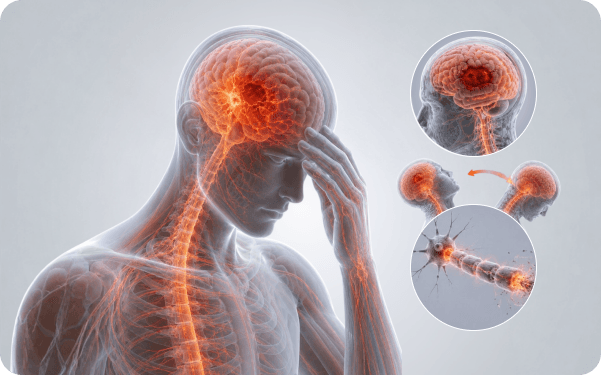
The effects of a brain injury vary from person to person, depending on the area and severity of the injury.

Every recovery journey is unique. Your rehabilitation is tailored to your abilities, goals, and progress.

We understand your movement, balance, strength, and the challenges you face every day.


Play Information
2.00 Min
Consistent physiotherapy helps improve strength, balance, movement, and confidence over time.
A structured, science-backed recovery journey designed to help you move from pain and limitation to strength, balance, and pain-free living.
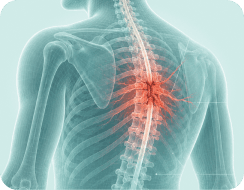
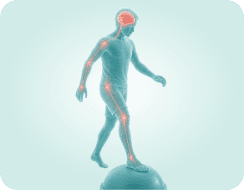
You don't have to live with pain.
Book a session and begin moving more comfortably again.
Book an appointment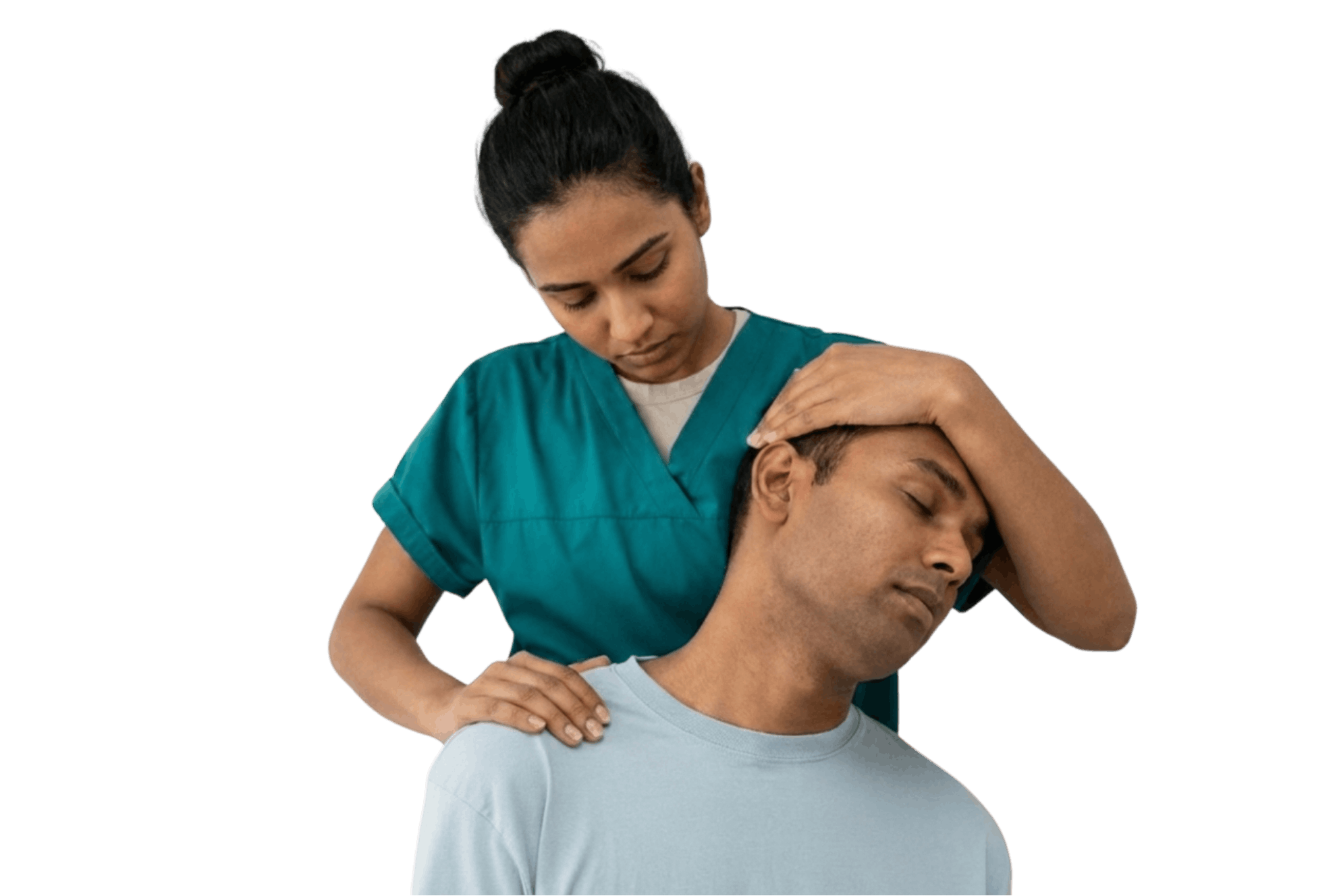
Answers to common questions about your recovery
Yes. Physiotherapy helps rebuild strength, balance, coordination, and movement control, and supports the return to daily activities. It is a core part of recovery after a traumatic brain injury.
Rehabilitation should begin as early as medically safe. Starting physiotherapy soon after a brain injury often leads to better movement and functional outcomes.
Recovery time varies with the severity of the injury and the areas affected. Some people improve over a few weeks, while others need longer, structured rehabilitation. Your physiotherapist will guide you at each stage.
Yes. Balance training, coordination work, and gait re-education improve stability and reduce fall risk, which are key goals in TBI rehabilitation.
Your program begins with a neuro assessment, followed by mobility, strength, balance, and functional independence training tailored to your abilities, goals, and stage of recovery.