
Neck Pain Relief and Recovery: Causes, Treatment, and How Physiotherapy Helps
By Dr. Asma Multani, Physiotherapist, Vyana Care

Neck pain is probably the single thing we treat most at the clinic. It doesn't usually arrive as one clear event either. More often someone mentions their neck feels “off” for a few weeks, a bit stiff when they wake up, achy by the end of the workday, and then one morning they go to check their blind spot in the car and their head just won't turn the way it used to.
Most people wait it out. Figure it'll pass on its own, and sometimes it genuinely does. But if the same tightness keeps coming back week after week, that's not bad luck, and it's not just how your neck is now either. Usually your body is flagging some pattern or habit that's worth a closer look. And based on what we see, week in and week out, neck pain tends to respond really well once someone actually addresses it properly instead of just riding it out again.
What Causes Neck Pain?
Most neck pain starts somewhere around your cervical spine, basically the top section of your spine, plus the muscles, joints, and ligaments wrapped around it. Load those past what they can handle and they get irritated. Long stretches of sitting. Hours looking down at a phone. Staying stuck in one position through a meeting that runs way too long. Add a stressful week on top and not much actual movement, and your neck starts complaining pretty quickly.
You'll probably recognize a few of these. A pulling or stiff feeling turning your head. Shoulders that feel tight by the time evening rolls around. Headaches starting near the base of your skull instead of your temples. Pain that gets noticeably worse after a long stretch staring at a screen.
Most of the time none of that points to anything serious. MedlinePlus (US National Library of Medicine): Neck injuries and disorders puts muscle strain and tension at the top of the list, usually from overuse like sitting at a computer too long. In other words it's posture, muscles that aren't pulling their weight, or the same strain repeated so often it's stopped being minor. Which happens to be exactly what physiotherapy is built to deal with.
Why Has Neck Pain Become So Common?
A lot comes down to how much time we spend looking down. Phones, laptops, tablets, all of it tilting our heads forward for hours without a break. In that position, the muscles down the back of your neck are working overtime just to hold your head up. Eventually they get tired. Your neck stiffens up, and the discomfort builds slowly enough that most people don't clock it happening until it's already there.
There's rarely one clean cause behind it. It's more of a pile-up. Sitting too long without getting up, scrolling on your phone in bed, hunching through back-to-back video calls at your desk. None of it seems like much on any single day. String a month of it together, though, and your neck keeps score even when you weren't paying attention. It's also worth saying that posture isn't about sitting straight. The problem is holding any one position too long, not failing to hold the perfect one.
Why Quick Fixes Often Don't Last
Painkillers work, for a bit. Heat packs help too, and so does a decent massage or some stretching video you found online at midnight. None of that's a bad idea, and short-term relief has its place. The problem is none of it touches what actually caused the pain. Keep the same posture and the same weak muscles going, and the pain tends to find its way back.
Real recovery works differently. It's less about switching the pain off for an afternoon and more about retraining your neck to move properly again, so it stops flaring up to begin with. That's the heart of our movement-first approach to physiotherapy.
How Physiotherapy Treats Neck Pain
A good physiotherapist doesn't stop at where it hurts. They dig into why it's happening at all, which usually means looking at your posture, how your neck moves through its full range, your strength, your desk setup, even your sleep. From there they build something specific to your body, not a generic sheet of exercises copied for whoever walks through the door next.
Early on, treatment tends to be gentle. Restoring movement, correcting posture, waking up the deep neck muscles that quietly switch off once pain shows up. Then it builds, bit by bit, more challenges added each week, until your neck can keep up with actual life again. Long drives. A full day at your desk. Lifting a kid onto your hip without a second thought.
What Recovery Actually Feels Like
Nobody wakes up cured one morning. It's slower than that, and quieter. A little less stiffness getting out of bed. Checking your blind spot without that small wince. A whole workday passes where you realize, almost as an afterthought, that your neck didn't bother you once. None of it feels dramatic on its own. It just adds up, and eventually your body starts trusting movement again.
The real sign of recovery isn't some perfect pain-free day. It's what you can do without thinking about your neck at all anymore.
Simple Neck Exercises for Daily Relief
A few gentle movements can take the edge off between sessions. Nothing complicated. Move slowly, stay well inside a comfortable range, and back off the second anything feels sharp.
- Chin tuck. Gently pull your chin straight back, almost like you're making a double chin. It helps reset your alignment.
- Shoulder blade squeeze. Pull your shoulder blades together to loosen some of the tension sitting in your upper back.
- Gentle neck rotations. Turn your head slowly side to side, only as far as feels easy and no further than that.
“If any of it makes things worse, or you feel pain moving down into your arm, stop and get it checked by a physiotherapist before trying again.”
When Should You See a Physiotherapist?
Worth booking an assessment if the pain's stuck around more than two or three weeks, keeps coming back, spreads into your shoulder or arm, or is actually getting in the way of work, sleep, or driving. Catching it early usually stops a small niggle from settling in for months.
Get medical attention right away if the pain follows a fall or accident, or shows up alongside any of the following.
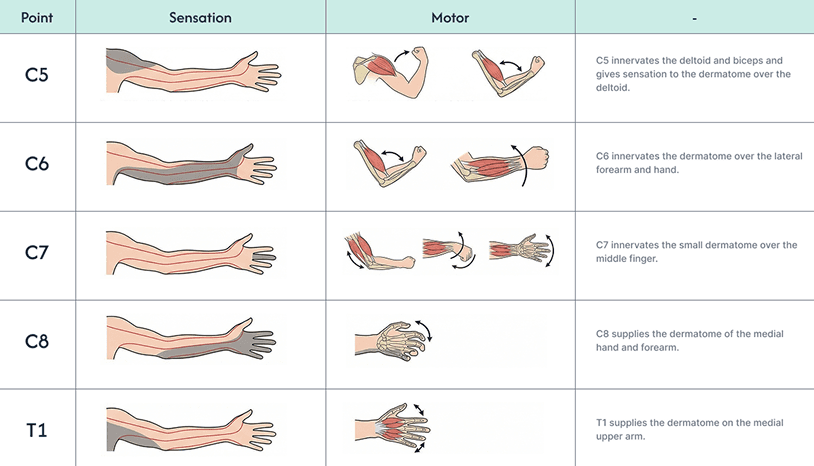
- Numbness, tingling, or weakness in your arm or hand
- Trouble with balance, walking, or coordination
- Loss of bladder or bowel control
- Fever, unexplained weight loss, or just generally feeling unwell
- Severe pain that won't ease no matter how you rest or shift position
These are rare. Still worth ruling out, and a clinician can usually check for them fairly fast.
Can Stress Make Neck Pain Worse?
Yes, more than most people expect. Your neck and shoulders seem to hold onto stress in a way other parts of the body don't. During a demanding or worrying stretch, your muscles tighten up and your nervous system gets a bit more reactive to pain overall, which is part of why your neck can feel worse during a hard week even if your physical routine hasn't changed at all. Dealing with stress isn't some optional extra tacked onto recovery. It's part of it.
The Vyana Approach
At Vyana, we're not really trying to make today feel better and leave it there. We're aiming further out than that, helping you move better, stand a bit taller, and actually trust your neck again long-term, rather than just quieting things down for a while. That means physiotherapy grounded in solid evidence, a plan shaped around your body specifically, and habits realistic enough that you're still doing them months from now, not just this week.