



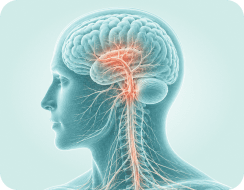
Stroke / Paralysis
- Stroke / CVA (Cerebrovascular Accident)
- Hemiplegia / Hemiparesis
If your child is finding movement or everyday activities challenging, early physiotherapy can make a meaningful difference.
If multiple Symptoms feel familiar, assessment helps
Cerebral Palsy affects how the brain communicates with the muscles, making movement, balance, and coordination more challenging. Every child experiences it differently.

Brain & Muscle Signals
Brain signals don't reach muscles properly.

Muscle Tightness
Stiff muscles can make everyday movements more difficult.

Balance & Coordination
Walking, sitting, and playing may require extra support.

Growing with Confidence
Build strength, movement, and independence.
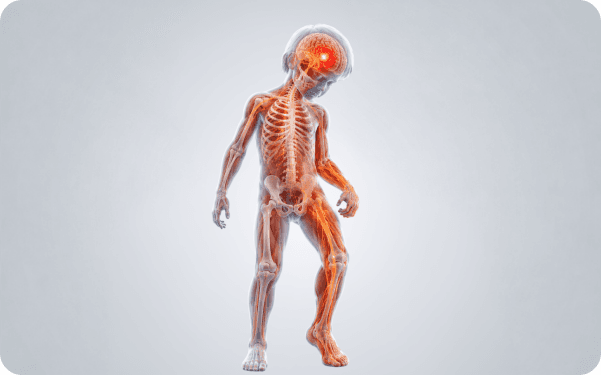
Every child is unique, and therapy is designed to support their individual strengths, abilities, and developmental goals.
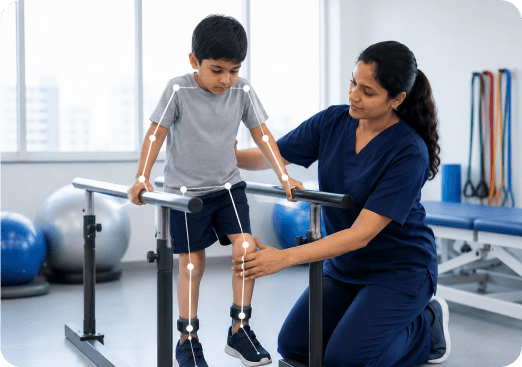
Every child learns and develops differently. That's why every rehabilitation plan is personalized around your child's needs and goals.

We understand your child's movement, strength, posture, and developmental milestones.


Play Information
2.00 Min
Every recovery journey is different, but consistent rehabilitation helps maximize neural recovery and physical function.
A structured, science-backed recovery journey designed to help you move from pain and limitation to strength, balance, and pain-free living.
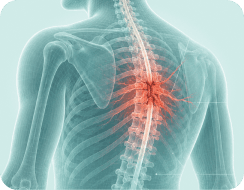

You don't have to live with pain.
Book a session and begin moving more comfortably again.
Book an appointment
Answers to common questions about your recovery
Yes. Physiotherapy improves mobility, balance, strength, posture, coordination, and independence at every stage of a child's development.
The earlier the better. Early intervention helps children build motor skills during key developmental windows, but physiotherapy remains valuable and effective at any age.
Yes. Through guided strengthening, gait training, and balance work, many children improve their walking ability, stability, and confidence over time.
Sessions use play-based, engaging exercises tailored to your child's needs — focusing on strength, movement, balance, coordination, and everyday functional skills.
It depends on your child's goals and needs. After an initial assessment, your physiotherapist will recommend a personalized schedule and review progress regularly.