
Robotic Spinal Decompression
Relieve Pressure. Move Freely.
Gentle, controlled spinal decompression designed to help manage back and neck pain, reduce pressure-related discomfort, and support comfortable movement.
 4.8 Rating
 60,000+ sessions
 Certified Physiotherapists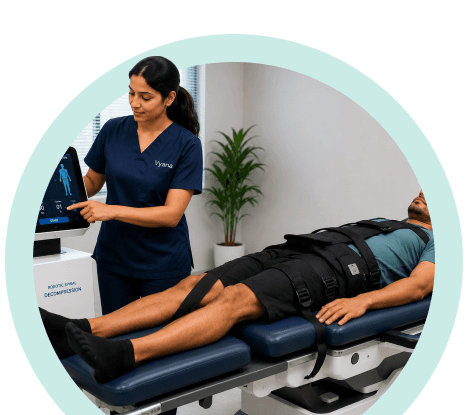
What is Robotic Spinal Decompression
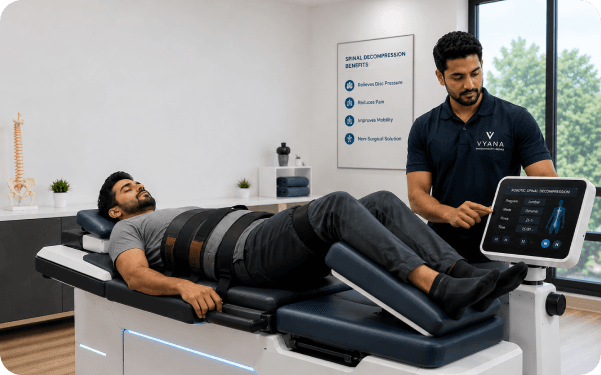
Robotic spinal decompression uses controlled, computer-guided traction to gently unload targeted areas of the spine as part of a personalized physiotherapy plan.

Reduces Spinal Load
Gently unloads targeted areas of the spine.

Eases Discomfort
May help make painful movement more comfortable.

Supports Mobility
Helps you move more comfortably as symptoms improve.

Non-Surgical Approach
Provides a conservative option alongside physiotherapy.
Conditions Robotic Decompression May Support
May be considered alongside physiotherapy for selected spine-related pain and mobility problems.
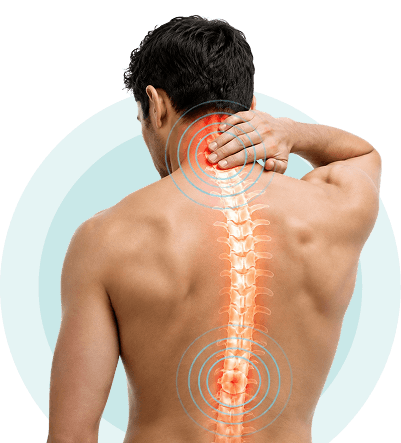
Neck & Spine Conditions

Neck Pain
Eases discomfort and supports neck movement.

Cervical Disc Problems
Supports disc-related symptom management.

Cervical Spondylosis
Helps manage neck pain and stiffness.

Neck Stiffness
Supports mobility-focused physiotherapy.

Upper Back Pain
Supports pain relief and movement.

Postural Neck Pain
Supports posture and mobility.
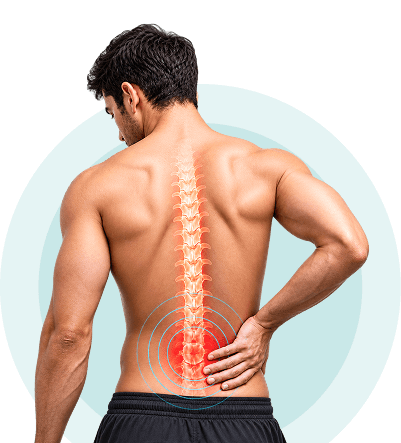
Lower Back Conditions


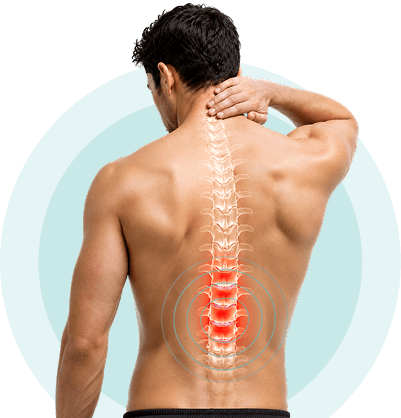
Disc Problems Conditions

Slip Disc
Supports disc-related rehabilitation.

Herniated Disc
Supports pain and mobility management.

Bulging Disc
Helps manage symptoms alongside physiotherapy.

Disc Degeneration
Supports movement-based treatment.

Lumbar Disc Pain
Supports comfortable movement.

Cervical Disc Pain
Supports selected neck symptoms.
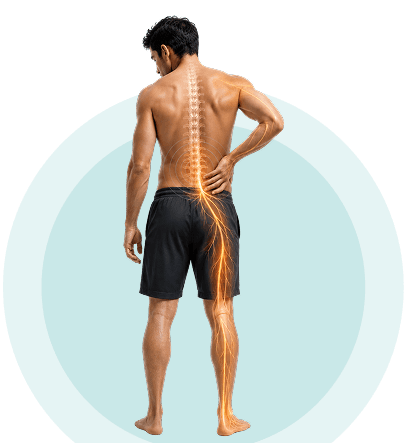
Nerve-Related Pain Conditions

Sciatica
Supports back and leg symptom management.

Radiating Leg Pain
Supports pain management and rehabilitation.

Nerve-Related Back Pain
Supports selected nerve-related symptoms.

Leg Discomfort
Supports movement and comfort.

Arm-Related Neck Pain
Supports selected neck-related symptoms.

Nerve Irritation
Complements rehabilitation when appropriate.
Postural Pain Conditions

Poor Posture
Supports strength and movement control.

Prolonged Sitting
Helps manage sitting-related discomfort.

Desk-Related Back Pain
Supports everyday back movement.

Postural Neck Pain
Supports posture and mobility exercises.

Muscle Tightness
Helps ease discomfort.

Movement Restriction
Supports comfortable movement.
Recovery & Mobility Conditions

Reduced Spinal Mobility
Supports comfortable movement.

Chronic Back Stiffness
Complements mobility and strengthening.
Activity-Related Back Pain
Supports movement-based recovery.

Return to Activity
Supports rehabilitation and movement.

Functional Mobility
Supports comfortable daily movement.

Spine Rehabilitation
Supports recovery and function.

5+
Years of Experience

4.9
Average Rating

3k+
Recovery Sessions
For over 5 years, Vyana has provided expert physiotherapy in Ahmedabad, completing 3,000+ in-clinic recovery sessions and earning a 4.9★ patient rating for quality care.
What to Expect During Robotic Decompression
A controlled, non-surgical treatment designed to gently unload the targeted area of your spine.
Your care is structured like this:

Assessment
We assess your pain, posture, mobility, and spine condition before starting therapy.

Treatment Positioning
You are positioned comfortably on the decompression table and secured safely for treatment.

Robotic Decompression
The system applies controlled, computer-guided traction to gently decompress the targeted spinal area.

Comfortable Treatment
You may feel a gentle stretching or pulling sensation as the treatment is adjusted to your comfort.

Movement & Recovery
Treatment may be followed by guided exercises to support spinal mobility, posture, and recovery.
Play Information
2.00 Min
# 1 Ahmedabad
# 1 Ahmedabad





# 1 Ahmedabad

Start your recovery
You don't have to live with pain.
Book a session and begin moving more comfortably again.
Book an appointment
★4.8
Rating
60,000+ sessions
FAQs
Answers to common questions about your recovery
Robotic spinal decompression uses controlled traction to gently unload targeted areas of the spine as part of a rehabilitation programme. The force, angle, and hold are set by a computer-guided system so each session is repeatable and precise.
It is commonly used for disc bulge and slip disc as part of a wider physiotherapy plan. By reducing load on the affected segment it can help ease pressure-related symptoms, though it is always combined with exercise and posture work rather than used on its own.
Yes, where the sciatica is driven by a disc or nerve compression in the lower spine. Your physiotherapist will confirm the source of your symptoms during the assessment before recommending decompression.
No. Most people describe a gentle stretch or pulling sensation through the back or neck, and many find it relaxing. The force is adjusted to your comfort and monitored throughout the session.
A typical course runs 10 to 15 sessions, depending on your diagnosis and how long the symptoms have been present. Your physiotherapist will share an expected timeline after the first assessment.
Robotic spinal decompression is available at both Vyana clinics in Ahmedabad — Navrangpura and South Bopal — Monday to Saturday, 8 AM to 8 PM. Every session starts with a physiotherapist assessment so the treatment is matched to your condition.