
Gait Training Treadmill
Walk Better. Move Better.
Guided gait training that helps you practise walking movements, improve balance and coordination, and build confidence with every step.
 4.8 Rating
 60,000+ sessions
 Certified Physiotherapists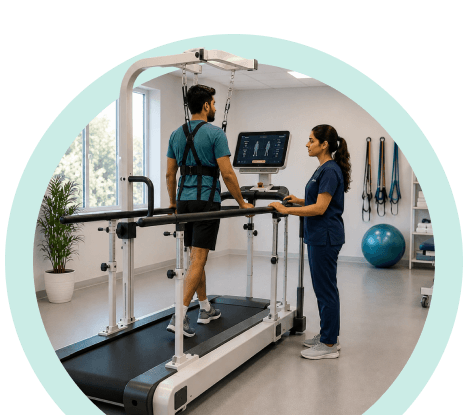
What is Gait Training
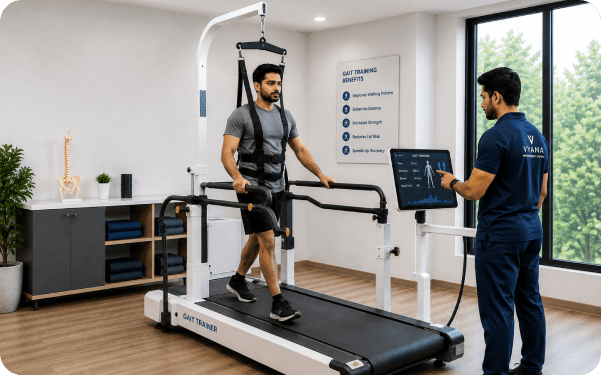
Gait training uses guided, repetitive walking movements to help improve walking pattern, balance, coordination, and lower-limb function.

Practise Walking
Repeat guided walking movements in a controlled setting.

Improve Balance
Build greater stability and control while moving.

Build Leg Strength
Supports lower-limb strength through repeated movement.

Walk with Confidence
Progress towards safer, more independent walking.
Conditions Gait Training May Support
Gait training can be used as part of rehabilitation for neurological, balance, and mobility-related conditions.
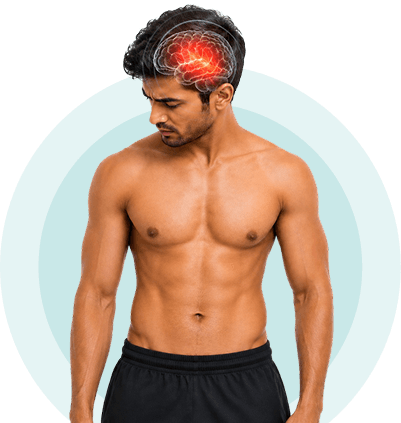
Neurological Conditions

Parkinson's Disease
Supports walking, balance, and movement.

Multiple Sclerosis
Supports walking confidence and mobility.

Cerebral Palsy
Supports gait and coordination.

Traumatic Brain Injury
Supports walking and balance rehabilitation.

Peripheral Neuropathy
Supports safer walking and leg control.

Neurological Weakness
Supports functional walking practice.
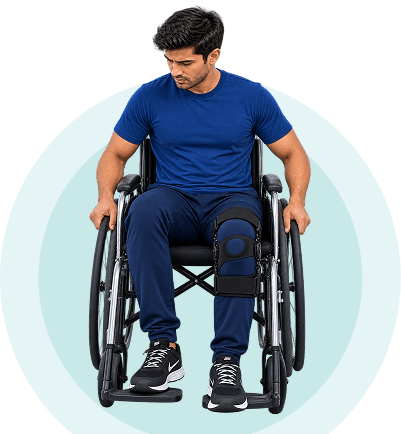
Stroke Rehabilitation Conditions

Post-Stroke Weakness
Supports repeated walking practice.

Hemiplegia
Supports gait and leg coordination.

Foot Drop
Supports walking practice and gait control.

Balance Problems
Builds stability during walking.

Uneven Gait
Supports coordinated walking patterns.

Reduced Walking Speed
Supports progressive gait training.
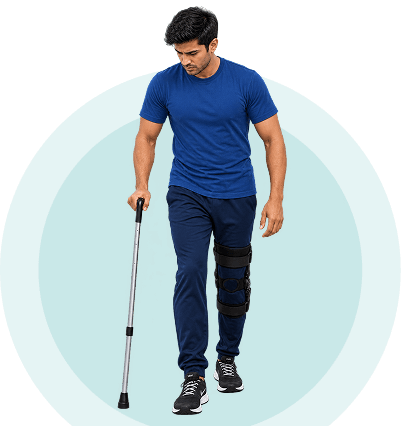
Spinal Cord & Neuro Conditions

Spinal Cord Injury
Supports lower-limb movement and gait.

Incomplete Spinal Cord
Supports functional walking rehabilitation.

Post-Surgical Neuro
Supports progressive mobility training.

Muscle Weakness
Provides controlled movement practice.

Reduced Mobility
Supports confident, supported walking.

Walking Difficulties
Supports repetitive gait training.
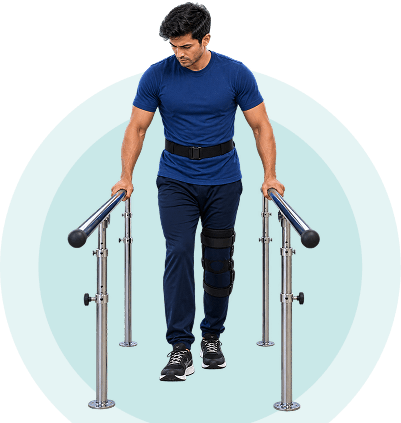
Balance & Gait Conditions

Unsteady Walking
Supports controlled walking.
Gait Abnormalities
Supports coordinated walking.

Poor Balance
Builds stability through guided movement.

Fear of Falling
Provides controlled walking practice.

Coordination Difficulties
Supports repeated walking movements.

Reduced Gait Confidence
Builds confidence through practice.
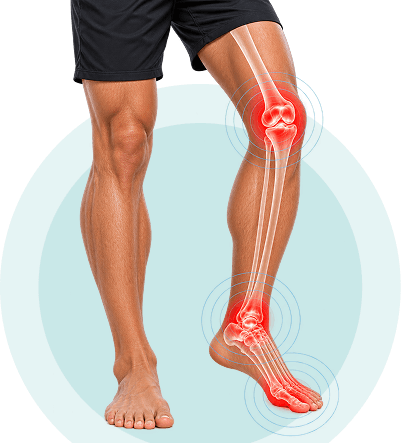
Lower Limb Conditions

Leg Weakness
Supports leg movement and strengthening.

Knee Weakness
Complements gait and strengthening.

Hip Weakness
Supports hip control during walking.

Post-Fracture Recovery
Supports walking confidence.

Post-Surgical Recovery
Supports return to functional walking.

Lower-Limb Injury
Supports walking recovery.
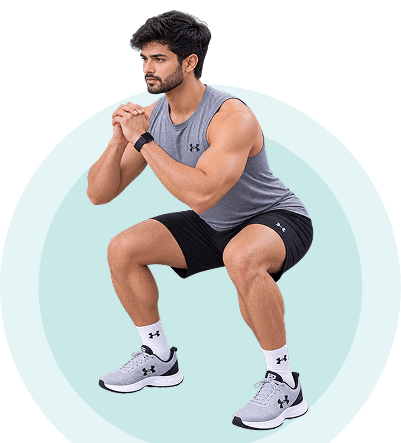
Recovery & Mobility Conditions
Reduced Mobility
Supports gradual functional movement.

Prolonged Immobility
Supports repeated walking practice.

Deconditioning
Supports lower-limb activity and endurance.

Walking After Surgery
Complements mobility rehabilitation.
Return to Daily Walking
Builds confidence in everyday walking.

Functional Independence
Supports essential daily walking skills.

5+
Years of Experience

4.9
Average Rating

3k+
Recovery Sessions
For over 5 years, Vyana has provided expert physiotherapy in Ahmedabad, completing 3,000+ in-clinic recovery sessions and earning a 4.9★ patient rating for quality care.
What to Expect During Gait Training
Your physiotherapist guides you through controlled, repetitive walking practice based on your ability and goals.
Your care is structured like this:

Movement Assessment
We assess your walking pattern, balance, strength, and mobility before starting training.

Safe Positioning
You are positioned safely with appropriate support based on your walking ability.

Gait Training
The therapist guides your walking with targeted exercises, support, or a gait training treadmill.

Balance & Coordination
You practice weight shifting, step control, posture, and coordination to improve walking efficiency.

Progress & Recovery
Your walking ability is monitored and exercises are progressed to build confidence, strength, and independence.
Play Information
2.00 Min
# 1 Ahmedabad
# 1 Ahmedabad





# 1 Ahmedabad

Start your recovery
You don't have to live with pain.
Book a session and begin moving more comfortably again.
Book an appointment
★4.8
Rating
60,000+ sessions
FAQs
Answers to common questions about your recovery
Gait training is a form of rehabilitation that uses repeated, guided walking practice to improve walking pattern, balance, coordination, and functional mobility. It is delivered by a physiotherapist as part of your recovery plan.
It is a treadmill designed for rehabilitation, with handrails, adjustable low speeds, and support options so you can practise walking safely and repeatedly under a physiotherapist's supervision.
People recovering from stroke, spinal cord injury, or brain injury, those living with Parkinson's disease, multiple sclerosis, or cerebral palsy, and anyone with balance problems, foot drop, or difficulty walking after lower-limb surgery or a fracture.
Yes. Repeated, supported walking practice is a core part of post-stroke rehabilitation. It helps with weight-bearing on the weaker side, step clearance, balance, and walking endurance, alongside your other physiotherapy.
A gait training session usually runs 20 to 40 minutes, depending on your endurance, and is normally combined with strengthening and balance work in a 45 to 60 minute appointment.
Gait training is available at both Vyana clinics in Ahmedabad — Navrangpura and South Bopal — Monday to Saturday, 8 AM to 8 PM. Every programme starts with a physiotherapist assessment so the training is matched to your ability.