
TENS Therapy
Relieve Pain. Move Better.
TENS uses gentle electrical impulses to help ease pain and make movement more comfortable as part of your personalized physiotherapy plan.
 4.8 Rating
 60,000+ sessions
 Certified Physiotherapists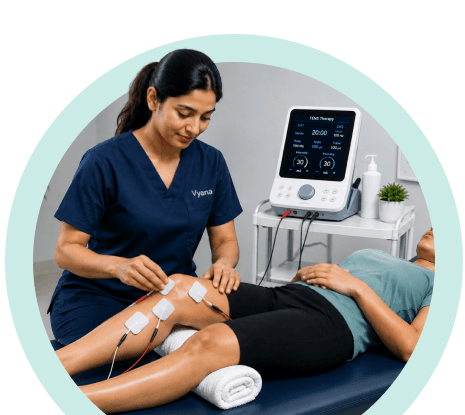
What is TENS Therapy
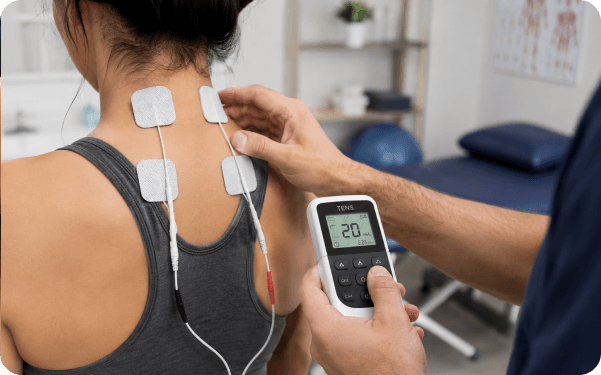
TENS, or Transcutaneous Electrical Nerve Stimulation, uses mild electrical impulses through small skin pads to help manage pain.

Eases Pain
Helps reduce pain signals reaching the brain.

Supports Movement
Less pain can make everyday movement easier.

Relaxes Muscles
May help ease muscle tension and discomfort.

Drug-Free Support
Can provide pain relief without medication.
Conditions TENS Therapy May Support
TENS may be used alongside physiotherapy to help manage pain from selected muscle, joint, nerve, and soft-tissue conditions.
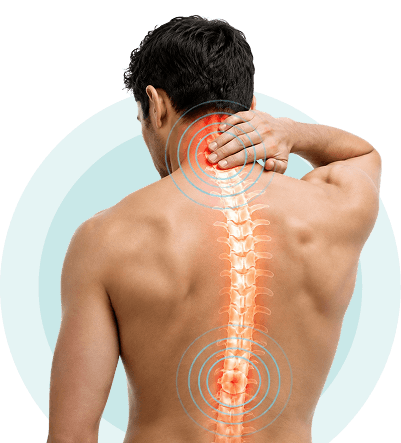
Neck & Spine Conditions


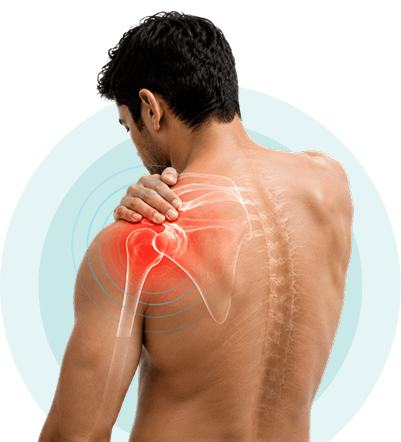
Shoulder Conditions

Shoulder Pain
Helps ease pain and improve movement.

Frozen Shoulder
May ease pain during recovery.

Rotator Cuff Injury
Supports pain management during rehab.

Shoulder Stiffness
Helps make shoulder movement easier.

Shoulder Tendonitis
Helps manage pain during recovery.

Shoulder Bursitis
May ease shoulder discomfort.
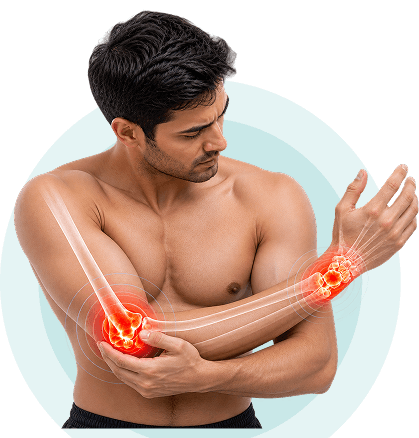
Elbow & Wrist Conditions


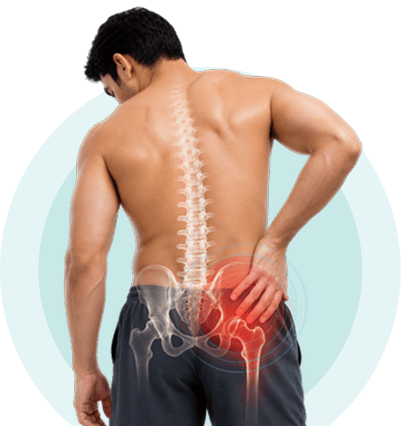
Hip Conditions
Hip Pain
Helps ease pain and improve movement.

Hip Arthritis
Supports pain management with exercise.

Hip Bursitis
May provide temporary relief from hip discomfort.

Hip Muscle Strain
Can help manage pain while the muscle recovers.

Hip Tendonitis
May support pain relief during rehabilitation.

Post-Surgical Hip Recovery
Supports rehab when pain limits movement.
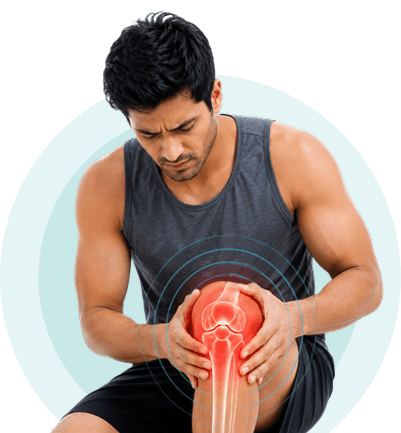
Knee Conditions

Knee Osteoarthritis
Helps manage everyday knee pain.

ACL Injury
Supports comfort during knee rehabilitation.

Meniscus Tear
Helps manage pain as movement improves.

Knee Pain
Supports comfortable daily movement.

Patellar Tendonitis
Helps manage pain below the kneecap.

Post-Knee Surgery
Supports comfort during early recovery.
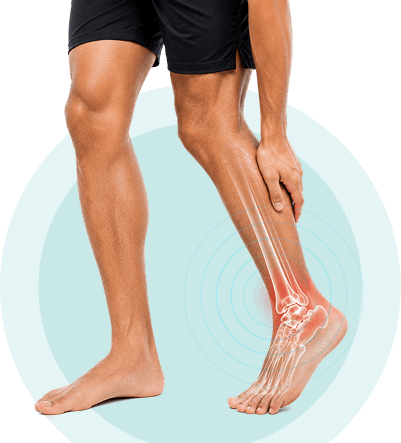
Foot & Ankle Conditions

Plantar Fasciitis
Helps manage heel pain during recovery.

Ankle Sprain
Supports pain relief as movement returns.

Ankle Pain
Helps make weight-bearing more comfortable.

Achilles Tendonitis
Helps manage tendon pain during rehab.

Heel Pain
Supports relief from persistent heel pain.

Foot Pain
Helps support comfortable everyday movement.
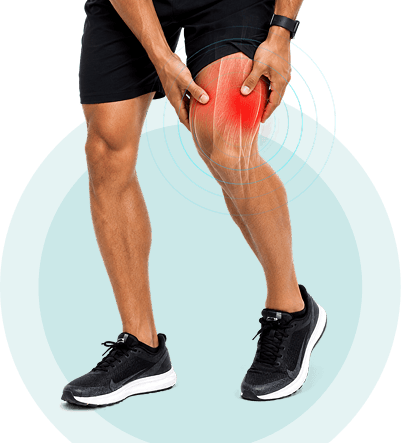
Sports & Soft Tissue Conditions

Muscle Strain
Helps manage pain during muscle recovery.

Tendon Injury
Supports comfort alongside tendon rehab.

Ligament Injury
Helps manage pain as stability returns.

Sports Injuries
Complements a personalized rehabilitation program.

Soft-Tissue Injury
Supports pain relief during recovery.

Muscle Spasm
Helps ease muscle tightness after activity.

5+
Years of Experience

4.9
Average Rating

3k+
Recovery Sessions
For over 5 years, Vyana has provided expert physiotherapy in Ahmedabad, completing 3,000+ in-clinic recovery sessions and earning a 4.9★ patient rating for quality care.
What to Expect During TENS Therapy
A simple, non-invasive treatment designed to make pain more manageable and movement more comfortable.
Your care is structured like this:

Assessment
We understand your pain, symptoms, and movement before starting treatment.

Electrode Placement
Small adhesive pads are placed on or around the painful area.

Gentle Stimulation
The TENS unit delivers mild electrical impulses that you feel as a comfortable tingling sensation.

Comfortable Treatment
The intensity is adjusted to your comfort level while the stimulation continues.

Move with Ease
Treatment ends with simple movement guidance to support comfort and mobility.
Play Information
2.00 Min
# 1 Ahmedabad
# 1 Ahmedabad





# 1 Ahmedabad

Start your recovery
You don't have to live with pain.
Book a session and begin moving more comfortably again.
Book an appointment
★4.8
Rating
60,000+ sessions
FAQs
Answers to common questions about your recovery
TENS, or Transcutaneous Electrical Nerve Stimulation, uses mild electrical impulses delivered through skin electrodes to help manage pain.
No. TENS feels like a light tingling or buzzing on the skin. Your physiotherapist raises the intensity gradually and adjusts it the moment it stops feeling comfortable.
It is commonly used for neck and lower back pain, sciatica, cervical spondylosis, frozen shoulder, tennis elbow, knee osteoarthritis, muscle spasm, and pain during post-surgical or sports rehabilitation.
TENS is used as part of a wider physiotherapy plan rather than on its own, so the number of sessions depends on your diagnosis. Your physiotherapist will share an expected timeline after the first assessment.
The TENS portion usually runs 15 to 30 minutes per area. Combined with exercise and manual therapy, the full session is about 30 to 45 minutes.